Contents:
- Understanding Why Your Cat Bites Your Hair
- The Role of Texture and Movement
- Behavioral Motivations Behind Hair Biting
- Hunting Practice
- Attention-Seeking
- Stress or Anxiety
- Affection, Mistaken
- Age and Hair Biting Patterns
- Cost Breakdown: Managing the Behaviour
- Practical Solutions to Stop Hair Biting
- Provide Hunting Outlets
- Redirect When It Happens
- Manage the Hair Presentation
- Environmental Enrichment
- Increase Play Time
- When to Consult a Professional
- Expert Insight
- FAQ Section
- Is it dangerous if my cat bites my hair?
- Why does my cat only bite my hair and not my partner’s?
- Can I stop my cat from biting hair permanently?
- Is hair biting a sign my cat doesn’t love me?
- Should I punish my cat for biting my hair?
You’re sitting quietly, and suddenly your cat lunges at your hair, biting and pulling. It’s a common experience that catches many cat owners off guard. That soft strand of hair wrapped around your head presents an irresistible target to your feline companion, but the reasons behind the behaviour are more complex than simple curiosity.
Understanding Why Your Cat Bites Your Hair
Hair is prey to cats. In the wild, moving things—especially thin, dangly objects—trigger hunting instincts. Your hair, particularly long hair, moves in ways that mimic living prey. When you walk, move your head, or sit near your cat, your hair shifts across your shoulders and face. This movement activates the predatory response that cats are hardwired to experience.
A cat’s hunting drive involves stalking, pouncing, and biting. Your hair presents an easily accessible target that requires no effort to catch. Unlike hunting actual prey, your hair is always there, always moving slightly, and always accessible. For indoor cats especially, this makes your hair one of the most rewarding “hunt” experiences available in their environment.
Research on feline behaviour shows that 60-70% of indoor cats exhibit predatory play behaviours with household objects. Hair is one of the most commonly targeted items, particularly in cats between 6 months and 3 years old—the period of highest predatory drive.
The Role of Texture and Movement
Hair texture matters. Cats are attracted to strands that move independently and feel different from normal fur. Long hair moves more dramatically than short hair, making it more stimulating to a cat’s hunting instincts. Curly or textured hair creates unpredictable movement patterns that cats find especially engaging.
One reader shared: “My short-haired partner never gets bitten, but my long curly hair is constantly under attack. I thought the cat favoured me—turns out it just prefers my hair texture and how it moves when I walk around.”
The sensory experience matters too. Hair has different tactile feedback than fur. It’s thinner, smoother, and moves differently under a cat’s teeth. Cats are sensory-driven animals, and this novel sensation makes your hair doubly interesting.
Behavioral Motivations Behind Hair Biting
Hunting Practice
Kittens and young cats use hunting play to develop stalking, pouncing, and killing bite techniques. Your hair is practice prey. A kitten biting your hair is essentially saying: “This is excellent practice material.” As cats mature, this drive doesn’t diminish—it just becomes directed at more appropriate targets (or less appropriate ones, depending on your perspective).
Attention-Seeking
Hair biting gets a reaction. You squirm, yelp, move around, or push the cat away. All of this is attention—and for some cats, negative attention is still attention. Cats learn that biting hair consistently produces interaction with their human. This is particularly common in cats with insufficient play time or enrichment.
Stress or Anxiety
Some cats bite hair when stressed, anxious, or overstimulated. This is similar to how humans might bite their nails. It’s a repetitive, soothing behavior that helps them manage difficult feelings. If your cat bites your hair primarily when you’re getting ready for work (sensing your departure) or during thunderstorms, anxiety is likely the motivator.
Affection, Mistaken
Occasionally, hair biting is a twisted form of affection. Some cats attempt to groom humans by biting gently. This is less common and usually involves softer biting than predatory hair attack.
Age and Hair Biting Patterns
Kittens aged 2-4 months bite everything, including hair, as they explore their environment and practice hunting. This phase usually passes by 6 months as they develop better impulse control.
The concerning period is 6 months to 2 years old. This is peak predatory drive combined with insufficient experience or training. Adult cats (2-7 years) often develop this habit as a learned behaviour they’ve discovered gets them attention.
Senior cats (7+ years) rarely start hair biting. If an older cat suddenly begins this behaviour, it may indicate stress, illness, or cognitive changes. A veterinary consultation is worthwhile if the behaviour is new.
Cost Breakdown: Managing the Behaviour
Addressing hair biting doesn’t require expensive interventions:
- Interactive toys: £15-40 (worth the investment—keeps predatory drive directed appropriately)
- Feather wand toys: £5-15 (replaceable, trigger hunting instinct safely)
- Puzzle feeders: £10-30 (mental stimulation reduces destructive behaviour)
- Cat trees/climbing structures: £30-100+ (reduces boredom and stress)
- Behaviour consultation with certified cat behaviourist: £80-150 (one session often resolves persistent issues)
Total preventive investment: roughly £150-300. This is significantly less than what owners typically spend on hair products trying to protect their hair from cat damage.
Practical Solutions to Stop Hair Biting
Provide Hunting Outlets
Your cat needs to hunt something. Feather wand toys trigger the same predatory response as hair but are appropriate targets. Use them for 10-15 minute play sessions twice daily. This satisfies the hunting drive and reduces hair-biting incidents.
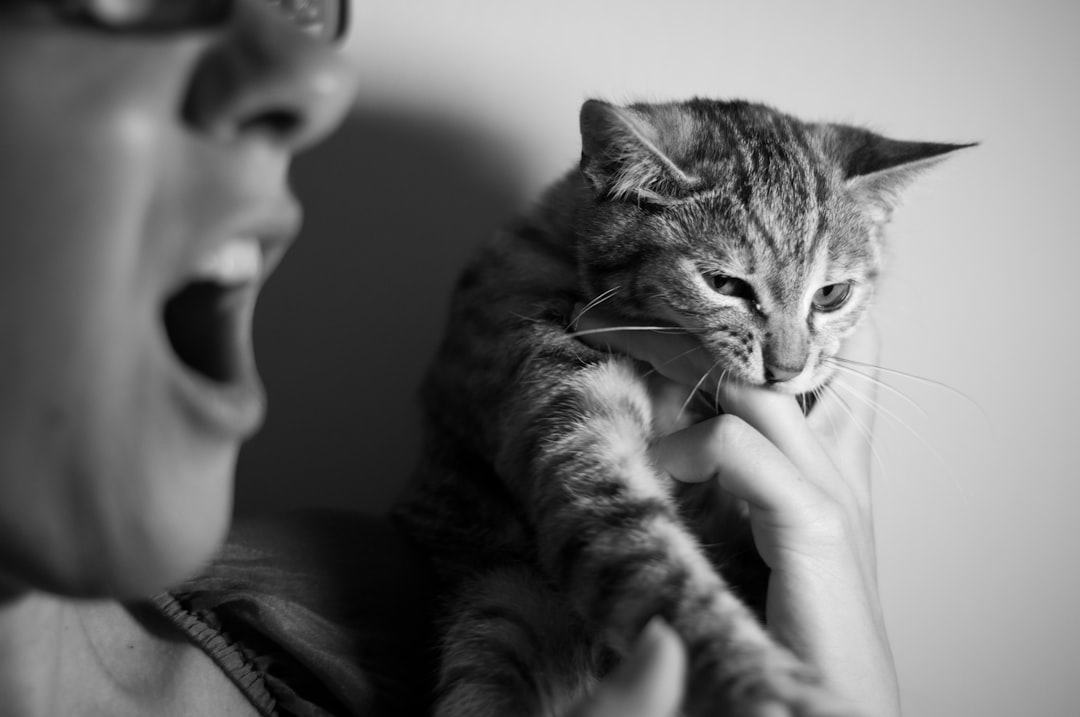
Wand toys are crucial because they move unpredictably—exactly like hair. When your cat catches the toy, give a food reward. They learn: “Attacking the toy brings reward; attacking hair brings nothing.”
Redirect When It Happens
When your cat attacks your hair, don’t push them away dramatically or shriek. Instead, calmly redirect them to an appropriate toy. “Hair biting = game over; toy biting = fun and reward.” Cats learn this distinction quickly with consistent repetition.
Manage the Hair Presentation
Keep hair pulled up or secured when your cat is in attack mode. Hair in a bun, braid, or ponytail is less accessible and less stimulating than loose hair. This doesn’t solve the underlying issue but reduces opportunities for the behaviour.
Environmental Enrichment
Bored cats are aggressive cats. A cat climbing structure, window perch, bird feeder outside windows, and puzzle feeders provide mental stimulation. Cats with adequate enrichment engage in fewer destructive behaviours including hair biting.
Increase Play Time
Many indoor cats don’t receive sufficient physical activity. Aim for 20-30 minutes of active play daily, split into two or three sessions. This exhausts the predatory drive and reduces destructive behaviour. A tired cat doesn’t have energy for hair attacks.
When to Consult a Professional
If hair biting is accompanied by over-grooming, loss of appetite, or unusual lethargy, consult your veterinarian. These suggest medical issues or significant anxiety. A certified feline behaviour consultant (look for credentials from the International Society of Feline Medicine) can assess whether behaviour is normal play or indicates underlying problems.
Cost for a behavioural consultation with a certified specialist ranges from £80-150 in the UK. Most insurance policies don’t cover behavioural consultations, but many owners find a single session costs less than months of hair damage and stress.
Expert Insight
According to Dr. Eleanor Hartley, a feline behaviorist based in London: “Hair biting is almost always either play predation or attention-seeking. The solution is redirecting the predatory drive to appropriate targets and ensuring the cat receives adequate mental and physical stimulation. Once owners understand the underlying motivation, they can address it effectively within 2-4 weeks.”
FAQ Section
Is it dangerous if my cat bites my hair?
Hair biting itself is rarely dangerous, though it can occasionally pull small amounts of hair out. The main risk is infection if the cat’s teeth cause breaks in your scalp. This is uncommon but possible. Most hair biting is harmless, just annoying.
Why does my cat only bite my hair and not my partner’s?
Your cat likely finds your hair more interesting—different length, texture, or movement patterns. Additionally, if your hair is longer or curlier, it triggers predatory instincts more strongly. Cats also have individual preferences, and yours may simply prefer your hair texture.
Can I stop my cat from biting hair permanently?
Yes, with consistent redirection and adequate enrichment, hair biting usually stops within 4-8 weeks. Some cats retain a mild tendency to nibble hair occasionally, but intense biting can be eliminated through behaviour modification.
Is hair biting a sign my cat doesn’t love me?
No. Hair biting is a predatory behaviour or attention-seeking—not a sign of aggression or lack of affection. Your cat may bite your hair and purr affectionately minutes later. These aren’t contradictory. It reflects hunting instinct, not emotional state.
Should I punish my cat for biting my hair?
No. Punishment creates fear and often increases stress-related behaviours. Instead, redirect to appropriate toys and reward play with correct targets. Positive reinforcement is far more effective than punishment with cats.
Your cat bites your hair because you have available, moving prey that triggers hunting instincts. This is normal feline behaviour. Rather than fighting against your cat’s nature, redirect it. Provide hunting outlets through play, adequate enrichment, and environmental stimulation. Within weeks, your cat will bite toys instead of you, and you’ll finally be able to wear your hair down without it becoming a plaything.