Contents:
- What Causes Hair to Grow Out of Moles
- Why Hair Grows More Visibly from Some Moles
- Is Hair Growing from Moles a Sign of Cancer?
- Safe Methods for Removing Hair from Moles
- Never Pluck, Shave, or Wax Moles
- Trimming (Safest Option)
- Temporary Removal: Depilatory Cream
- Professional Removal: Dermatologist Evaluation
- Common Mistakes to Avoid
- Seasonal Variation in Mole Hair Growth
- Eco-Friendly Approach to Mole Hair Management
- FAQ
- Is hair growing from a mole a sign I should get it checked?
- Can I use a razor to remove hair from a mole?
- Will removing the hair from a mole make it grow back thicker or darker?
- Should I remove the hair or leave the mole alone?
- Can plucking mole hair cause skin cancer?
In 16th-century European courts, women sometimes left small moles visible on their faces—or even applied artificial ones as beauty marks. It was fashionable. What’s less discussed is that many of those moles had dark hairs growing from them, and ladies of court faced the same dilemma modern people do: should they remove the hair or leave it? The question of why hair grows from moles at all connects to the cells that create moles in the first place.
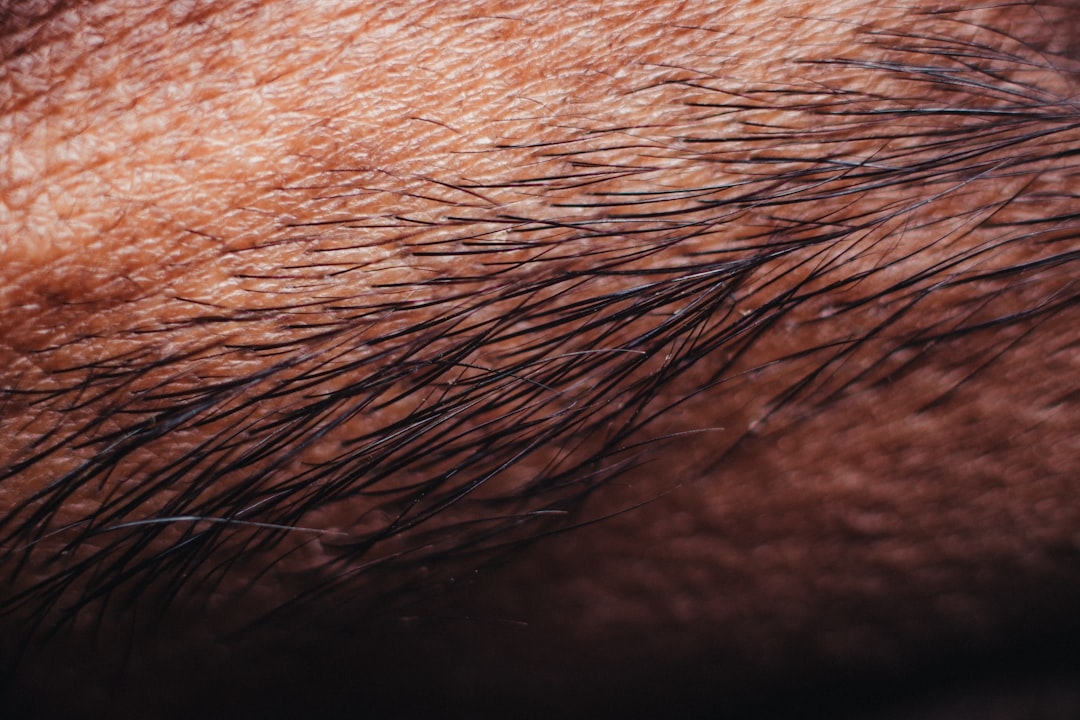
Hair growth from moles is completely normal, medically harmless, and far more common than most people realise. Understanding why it happens helps you decide whether removal is necessary and, if so, what methods are safest.
What Causes Hair to Grow Out of Moles
Moles are clusters of melanocytes—the cells that produce melanin (pigment). When these cells accumulate in one spot, you see a mole. The skin around and within a mole contains hair follicles just like any other skin. Hair grows from moles for the exact reason hair grows everywhere: your skin has follicles, and follicles produce hair. A mole doesn’t change the basic structure of your skin; it’s simply a concentration of pigment cells within normal skin.
Some moles have thicker hair growing from them. Some have fine, barely visible hair. Some seem to have no hair at all. This variation depends on the depth of the mole, the density of hair follicles in that specific skin area, and your genetics. Darker or raised moles tend to have more visible hair because the dark hair contrasts against the dark mole, making it noticeable. A small, flat mole might harbour hair you can’t see because the hair is light or the mole is shallow.
Why Hair Grows More Visibly from Some Moles
The location of your moles matters. Moles on the face, chest, or arms tend to have more visible hair growth because you have more awareness of those areas. Moles on the legs or back exist, but you may never notice the hair unless you’re looking specifically. Additionally, hormones affect hair growth. During puberty, pregnancy, and menopause, hair growth from moles can become noticeably darker or coarser because hormonal changes increase overall hair growth across your body.
Is Hair Growing from Moles a Sign of Cancer?
No. Hair growing from a mole has zero correlation with skin cancer risk. In fact, it’s reassuring: cancerous moles (melanoma) often lose their hair rather than growing more. If a mole that previously had hair suddenly stops growing hair, that’s not necessarily concerning, but it’s worth noting. Conversely, the presence of hair doesn’t protect against cancer—you still need to monitor moles for changes in size, shape, colour, or border (the ABCDE rule used by dermatologists).
Speak to your GP if you notice any mole that changes appearance. But the hair itself is not a warning sign.
Safe Methods for Removing Hair from Moles
Never Pluck, Shave, or Wax Moles
This is critical. Plucking hairs from a mole repeatedly can irritate it and increase skin cancer risk slightly (though the absolute risk remains very low). Shaving is safer but difficult to do precisely without nicking the mole itself. Waxing can traumatise delicate mole skin. The problem: constant removal causes inflammation and micro-trauma, which irritates the mole and shouldn’t be inflicted needlessly.
If a mole bothers you cosmetically, removal by a dermatologist is better than ongoing plucking. If the mole is small and the hair is manageable, leaving it alone is the safest option.
Trimming (Safest Option)
If you want to remove hair from a mole minimally and safely, trim it. Use small, sharp scissors (like eyebrow scissors, £3–8 from Boots) and carefully trim the hair flush to the skin without cutting the mole itself. This requires a steady hand and good lighting. The hair will regrow in 2–3 weeks. Repeat trimming as needed. This method causes no trauma to the mole and is safer than any other removal method.
Temporary Removal: Depilatory Cream
Depilatory creams (Nair, Veet, costs £2–6) chemically dissolve hair at the skin surface. They work on mole hair but require caution. Apply cream only to the hair, not to the mole itself. Leave for 5–10 minutes exactly (not longer—it can irritate sensitive mole skin). Rinse thoroughly. Regrowth takes 3–7 days. This method is gentler than plucking but can irritate sensitive skin. Test a small amount on your arm first to check for sensitivity.
Professional Removal: Dermatologist Evaluation
If a mole bothers you significantly or the hair growth is extreme, see a dermatologist (usually available through NHS if your GP refers you, or privately for £60–150 per appointment). They can assess whether mole removal is appropriate. Some moles are simply best left alone. Others can be safely removed surgically (cost: £100–300 privately; free on NHS if medically indicated). Removal eliminates the mole and its hair permanently.
Common Mistakes to Avoid
- Repeatedly plucking the same mole: Irritation increases skin cancer risk slightly. Trim instead.
- Using harsh depilatory creams: Cheap products with strong chemicals can damage delicate mole skin. Use gentler brands or dilute cream with water.
- Applying electrolysis or laser to mole hair: These burn the mole and cause scarring. Avoid—dermatologists typically refuse to treat mole hair with these methods for this reason.
- Ignoring changes in the mole itself: Focus on the mole’s appearance, not just the hair. If the mole changes size, shape, or colour, see your GP regardless of the hair.
- DIY mole removal to stop hair growth: Never attempt to cut off or chemically remove a mole at home. This causes infection and scarring. Only dermatologists should remove moles.
Seasonal Variation in Mole Hair Growth
Hair growth from moles varies seasonally due to hormonal cycles and UV exposure:
- Winter (January–March): Reduced sunlight exposure decreases overall body hair growth. Mole hair may seem less noticeable.
- Spring (April–June): Increasing daylight and warmth trigger hormonal changes that increase hair growth. Mole hair becomes noticeably darker or coarser.
- Summer (July–September): Peak hair growth season. UV exposure also stimulates melanocyte activity, potentially darkening moles and their hair. Mole hair at its most visible during this season.
- Autumn (October–December): Hair growth begins declining. Mole hair gradually becomes less noticeable as days shorten.
If you’re self-conscious about mole hair, you may notice it more during spring and summer when it’s most visible. This is normal and temporary.
Eco-Friendly Approach to Mole Hair Management
If you choose to remove mole hair regularly, trimming is the most sustainable option. It requires only scissors (one-time purchase, lasts years), no disposable products, and no chemical waste. Depilatory creams generate packaging waste. Waxing uses disposable strips. Plucking causes environmental harm through repeated irritation and potential infection requiring medical treatment. Simple trimming aligns with environmentally conscious choices while being safest for your moles.
FAQ
Is hair growing from a mole a sign I should get it checked?
Hair itself is not a warning sign. However, use it as a reminder to check your moles regularly. Once monthly, examine all moles for changes in size, shape, colour, or border (ABCDE rule). If any mole changes, see your GP. The hair is irrelevant; the mole’s stability is what matters.
Can I use a razor to remove hair from a mole?
You can, but it’s tricky. Razors are sharp and precise, but a small slip nicks the mole and causes bleeding and scarring. Trimming with small scissors is safer because you have more control. If you shave, use extreme caution, shave in good lighting, and shave away from the mole’s centre toward the edges.
Will removing the hair from a mole make it grow back thicker or darker?
No. This is a widespread myth. Hair doesn’t grow back thicker or darker after removal, regardless of the removal method. Trimming, plucking, or depilatory cream—the regrowth is identical to the original hair. Perception changes because freshly removed hair appears darker (it’s blunt-edged from trimming or chemical dissolution) than old, worn hair. After a few days, this optical illusion fades and hair looks normal again.
Should I remove the hair or leave the mole alone?
If the mole doesn’t bother you cosmetically and the hair is fine or light, leave it. Moles with hair are normal and harmless. If cosmetic concern is significant, trimming is the safest ongoing solution. If the mole itself bothers you (pain, frequent snagging, cosmetic distress), consult a dermatologist about removal. Don’t remove mole hair obsessively—it causes unnecessary irritation.
Can plucking mole hair cause skin cancer?
Repeated trauma to a mole slightly increases theoretical risk of skin cancer, but the absolute risk remains very low. Hundreds of thousands of people pluck mole hair without developing cancer. However, it’s not ideal practice. Trimming is safer if you want hair removal. If you’re worried about skin cancer risk, simply stop plucking and trim instead—problem solved with lower irritation.