Contents:
- Understanding Your Skin Undertone
- Matching Colour to Your Face Shape
- Round Faces
- Square Faces
- Oval Faces
- Long Faces
- What the Pros Know
- Hair Colour vs Dye vs Toner: The Confusion
- Practical Steps to Choose Your Shade
- Get Shade Samples at Home
- Consider Your Lifestyle and Maintenance Reality
- Start with Subtle Changes
- Hair Colour Budget Breakdown for 2026
- Special Considerations for Different Hair Types
- Fine or Thin Hair
- Curly or Textured Hair
- Coarse or Thick Hair
- Damaged or Previously Coloured Hair
- Colour and Seasonal Changes
- Testing Before Committing
- Virtual Try-On Tools
- The Photoshop Method
- Consultation with a Stylist
- Common Mistakes to Avoid
- Making the Final Decision
- FAQ
- How often should I wash my hair after colouring?
- Can I colour my hair at home safely?
- How long does hair colour last?
- Will colouring damage my hair?
- What if I hate my new colour?
Standing in front of the mirror, holding your phone with pictures of celebrities sporting shades you’ve never dared try—that moment of wondering if a new hair colour could transform everything. You’re not alone. Hair colour decisions can feel monumental, especially when you’ve invested time and money into a routine that actually works.
The truth is, choosing the right hair colour isn’t about trends or what looks good on someone else. It’s about understanding your unique features, skin undertones, lifestyle, and what makes you feel genuinely confident. This guide walks you through exactly how to make that decision.
Understanding Your Skin Undertone
Before anything else, you need to know whether your skin has warm, cool, or neutral undertones. This single factor determines which hair colours will make your complexion glow and which ones will wash you out.
To identify your undertone, look at your inner wrist in natural light. Veins that appear greenish suggest warm undertones. Blue or purple veins indicate cool undertones. If they look like a mix of both, you likely have neutral undertones. You can also observe how you react to gold versus silver jewellery—gold looks better with warm undertones, whilst silver complements cool undertones.
Warm undertones pair beautifully with honey-blonde, caramel, copper, warm browns, and rich auburn shades. These colours have golden and reddish pigments that harmonise with your natural warmth.
Cool undertones shine with ash-blonde, platinum, cool browns, mahogany, and jewel-toned reds. These colours contain ashy, blue, or violet pigments that complement cooler skin tones.
Neutral undertones give you flexibility. You can pull off virtually any colour, though you’ll want to consider what feeling you want to achieve—warmer or cooler.
Matching Colour to Your Face Shape
Different face shapes benefit from strategic colour placement and depth choices. Hair colour can visually reshape your face by creating shadows and highlights.
Round Faces
Colours with depth and contrast work best. Consider darker roots with gradually lighter mid-lengths and ends. Caramel balayage, rooted brunettes, or honey-highlighted dark brown creates dimension that elongates a round face. Avoid solid, flat colours that can make roundness more pronounced.
Square Faces
Soften angular features with warm, blended tones. Copper highlights, warm blonde with darker roots, or rich chocolate brown with caramel pieces work beautifully. These colours add softness without harsh lines.
Oval Faces
You have the most balanced face shape and can genuinely wear anything. Experiment with bolder choices like silver, jewel tones, or creative multi-tonal looks. Single, solid colours also look striking on oval faces.
Long Faces
Horizontal colour placement through chunky highlights or balayage makes faces appear shorter. Avoid stark, all-over dark colours. Instead, try face-framing lighter tones with a darker base, or glossy blonde throughout.
What the Pros Know
Top colourists use the 70/20/10 rule: 70% of your hair should be your base colour, 20% should be dimension through lowlights or mid-tones, and 10% should be bright highlights. This creates depth that looks intentional and expensive, even on a budget. Most amateurs try 50/50 splits, which can look choppy rather than polished.
Hair Colour vs Dye vs Toner: The Confusion
Many people use these terms interchangeably, but they’re different. Permanent colour chemically opens the hair cuticle and deposits pigment into the cortex—it lasts until your hair grows out, requiring roots touching up every 4-6 weeks. Semi-permanent dye coats the outside of the hair shaft and gradually fades with washing, lasting 6-12 washes. Toner is a semi-permanent product used after lightening to neutralise brassy or unwanted tones, giving you control over the final shade.
For significant colour changes, permanent or demi-permanent colour is necessary. If you want flexibility and less commitment, semi-permanent gives freedom to experiment. Toner is only useful if you’re already working with pre-lightened hair.
Practical Steps to Choose Your Shade
Get Shade Samples at Home
Rather than deciding based on tiny swatches at the salon, ask your stylist for shade rings or cut samples from colour wheels. Hold them against your face in different lighting—natural daylight, bathroom lighting, and evening lighting. The same shade looks wildly different under fluorescent lights versus sunset.
Consider Your Lifestyle and Maintenance Reality
Platinum blonde requires toning every 3-4 weeks (cost: £30-60 per appointment) and daily purple shampoo (£8-15 per bottle). Brunette with blonde highlights needs root maintenance every 6-8 weeks (£50-100 depending on coverage). Solid dark brown needs minimal maintenance but requires clarifying treatments occasionally (£20-40). Be honest about your commitment level.
Start with Subtle Changes
If you’re uncertain, begin with lowlights rather than highlights, or choose a colour just one or two shades away from your natural shade. Balayage and shadow root techniques are more forgiving than full-head colour. You can always go bolder in six weeks.
Hair Colour Budget Breakdown for 2026
Understanding costs helps you make realistic decisions:
- Full-head permanent colour at salon: £45-120 depending on location and stylist experience
- Balayage or highlights: £60-150
- Root retouch: £30-60
- Toning treatment: £25-45
- At-home semi-permanent box colour: £6-12
- Professional at-home colour: £15-35
- Colour-safe shampoo and conditioner: £8-20 per bottle
Professional salon colour costs more initially but delivers precision, protects hair health, and creates blending that home kits struggle to match. If you colour at home, expect to spend £20-30 per application plus shampoo costs, which adds up quickly.
Special Considerations for Different Hair Types
Fine or Thin Hair
Lighter colours appear to add volume and depth to fine hair. Soft, cool-toned blondes or light browns with subtle dimension work beautifully. Avoid heavy, dark solid colours that can appear thin and flat.
Curly or Textured Hair
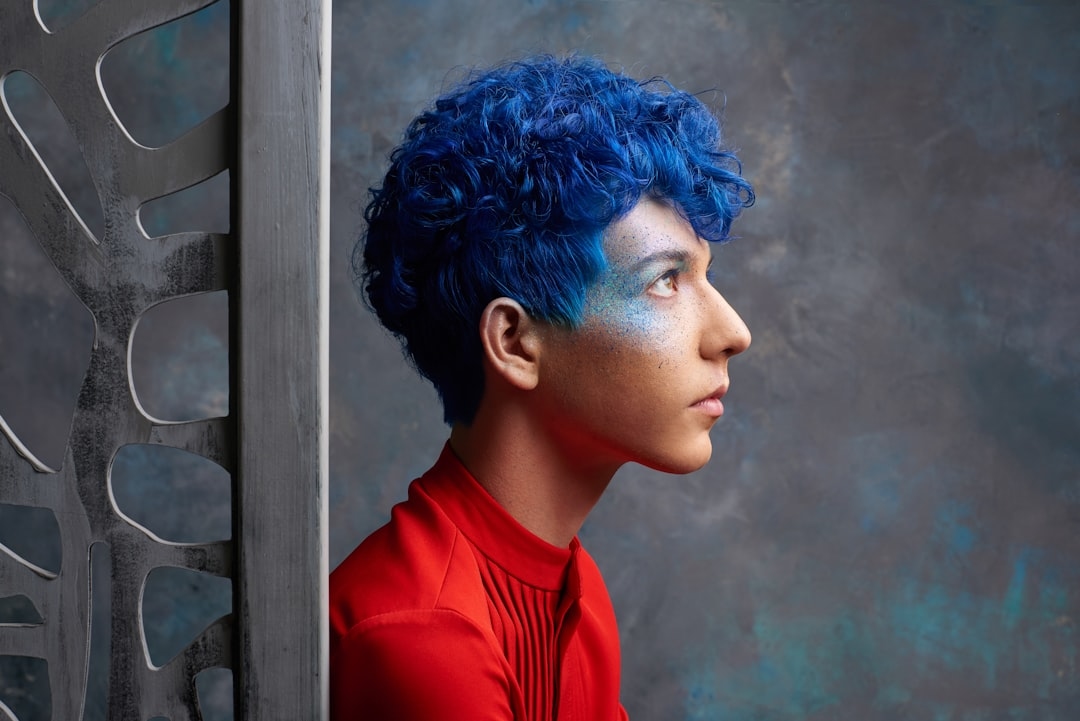
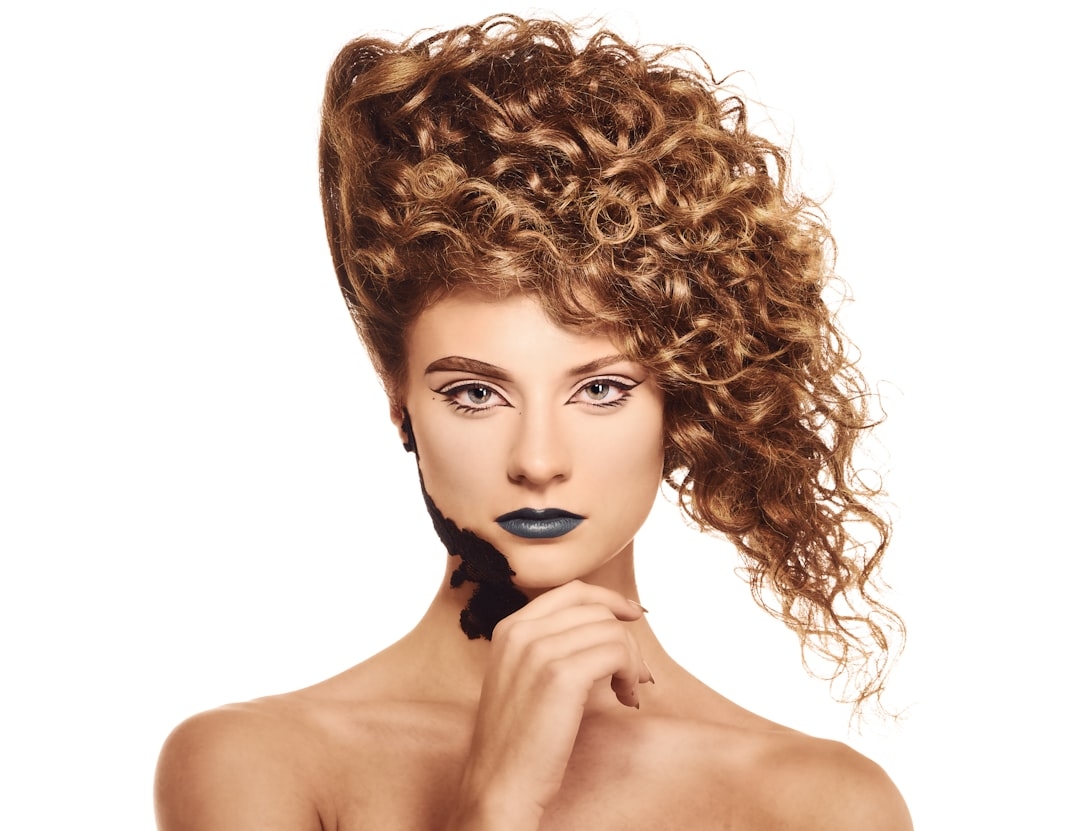
Colour shows differently on textured hair because light reflects unpredictably through curls. You might need slightly warmer or richer tones than you’d expect. Balayage and hand-painted techniques (rather than foils) are gentler on curly hair during the colouring process.
Coarse or Thick Hair
You can handle bold, rich colours beautifully. Deep jewel tones, intense reds, or strong contrasts look striking on thick hair. Your hair has enough pigment naturally to support darker shades without looking dull.
Damaged or Previously Coloured Hair
If your hair is compromised, semi-permanent colour and glosses are safer than permanent colour. Keratin-infused colour products (£25-50) protect during processing. Alternatively, focus on deep conditioning treatments for 3-4 weeks before attempting colour.
Colour and Seasonal Changes
Your colouring naturally shifts slightly with seasons due to sun exposure and changes in your complexion. Many people shift cooler tones in winter and warmer tones in summer. Rather than chasing trends by changing colour seasonally, choose a shade that works year-round for you and let subtle sun-lightening or seasonal bronzing handle minor shifts.
Testing Before Committing
Virtual Try-On Tools
Most professional colour brands now offer augmented reality apps where you can see yourself in different shades. Whilst not perfect, they’re surprisingly helpful for eliminating shades that definitely won’t suit you.
The Photoshop Method
Ask a friend to digitally alter your hair colour in a photo or use free tools online. This gives you a realistic sense of how a shade would look on you in genuine lighting with your natural complexion.
Consultation with a Stylist
Before committing to colour, book a consultation (many salons offer this free or for £15-25, credited toward the service). A experienced stylist can assess your hair health, recommend realistic shades, and explain what maintenance actually looks like for your chosen colour.
Common Mistakes to Avoid
Going too light too fast. If you’re naturally dark-haired and want platinum, trying to achieve it in one session damages hair. Plan a gradual lightening process over 2-3 appointments.
Ignoring your hair’s health. Hair needs to be in good condition before colouring. Deep condition for two weeks before your appointment and avoid heat styling the week before.
Choosing colour based solely on someone else’s photos. That celebrity with perfect platinum might have completely different undertones, hair texture, and maintenance routine than you.
Underestimating maintenance. Asking “what colour should I have?” without considering “can I maintain this?” leads to regret. Be realistic about your willingness to book appointments every 4-8 weeks.
Making the Final Decision
By now, you’ve considered your undertones, face shape, lifestyle, and hair type. Create a shortlist of 2-3 colours that tick all these boxes. Pin them, share them with your stylist, and ask honest questions: “Will this suit my undertones?” “How often would I need maintenance?” “Can you show me the before and after process?”
Trust your stylist’s expertise. They see hundreds of colour transformations yearly and can spot which shades will genuinely work for you. At the same time, you know yourself—your lifestyle, your preferences, your willingness to maintain. The best colour choice is one that combines professional expertise with your personal confidence.
FAQ
How often should I wash my hair after colouring?
Wait 48-72 hours before your first wash to allow colour molecules to fully set. After that, wash 2-3 times weekly with lukewarm water using colour-safe shampoo and conditioner. Frequent washing fades colour faster.
Can I colour my hair at home safely?
Semi-permanent colours are generally safe for at-home use. Permanent colour requires precision, timing, and skill—mistakes can result in breakage or uneven colour. If attempting at home, do a patch test 24 hours before, follow instructions exactly, and use quality brands (not budget chemist ranges).
How long does hair colour last?
Permanent colour lasts until your hair grows out, but begins fading immediately. Most people see noticeable fading after 6-8 weeks. Semi-permanent colour lasts 6-12 washes depending on your hair porosity and how often you wash.
Will colouring damage my hair?
Professional colour services use conditioning agents that minimise damage. At-home kits and repeated processing do cause damage over time. Healthy hair maintenance—deep conditioning, avoiding heat—keeps colour-treated hair in good condition.
What if I hate my new colour?
Contact your stylist within 24 hours. Most salons will make adjustments or corrections at no extra charge if you’re unhappy. Colour correction services exist but are costly (£80-200) and time-intensive, so prevention through proper consultation is preferable.
Your hair colour should make you feel like the best version of yourself. Take the time to choose thoughtfully, invest in your hair’s health, and remember that a skilled stylist is your partner in this decision—not your adversary. The perfect shade is out there waiting for you.