Contents:
- Understanding the Curl Classification System
- Type 2 Hair: Wavy Patterns
- Type 2A: Loose Waves
- Type 2B: Medium Waves
- Type 2C: Deep Waves
- Type 3 Hair: Curly Patterns
- Type 3A: Loose Curls
- Type 3B: Medium Curls
- Type 3C: Tight Curls
- Type 4 Hair: Coily and Kinky Patterns
- Type 4A: Coily Hair
- Type 4B: Zig-Zag Coils
- Type 4C: Tightest Coils
- Identifying Your Specific Type: A Practical Approach
- Step 1: Examine a Single Strand
- Step 2: Check Multiple Areas
- Step 3: Observe How It Behaves
- Common Mistakes to Avoid When Identifying Your Type
- Seasonal Variations in Curl Type
- Tailoring Your Routine to Your Curl Type
- FAQ Section
- Can my curly hair type change?
- What if my hair is multiple types?
- Is hair typing the same as porosity?
- Do I need to know my hair type to care for my curls?
- Where can I get professional hair typing?
Your hair type determines everything: which products work, which styling techniques succeed, how often you should wash, and what to expect from growth and maintenance. Yet millions walk around uncertain whether their hair is wavy, curly, coily, or something else entirely. The confusion is understandable—your curls might change season to season, respond differently to humidity, or look entirely different wet versus dry.
Understanding the Curl Classification System
In 1998, hairstylist Andre Walker created a classification system that became industry standard. This system divides hair into four categories: Type 1 (straight), Type 2 (wavy), Type 3 (curly), and Type 4 (coily/kinky). Each category includes three subcategories (A, B, C), creating 12 distinct curl patterns. Understanding what type of curly hair you have requires examining your natural hair texture, not your styled or chemically treated hair.
To determine your type accurately, wash your hair with a gentle shampoo, apply a lightweight conditioner, and let it air-dry completely without touching it. This shows your natural curl pattern without interference from heat, products, or friction.
Type 2 Hair: Wavy Patterns
Wavy hair sits between straight and curly. It has some wave formation but lacks defined spiral curls. Type 2 waves appear as a gentle S-shape when you look closely.
Type 2A: Loose Waves
Fine, subtle waves that sit quite flat. 2A hair often looks straight when dry but reveals gentle wave texture when wet. It’s prone to frizz and benefits from lightweight products. Typical characteristics: limp waves when wet, prone to grease buildup, benefits from clarifying shampoos every 2-3 weeks. Styling time: 5-10 minutes.
Type 2B: Medium Waves
More defined S-shaped waves. 2B hair becomes noticeably wavy when wet and may form loose ringlets near the ends. This type usually holds waves better than 2A but still needs product to maintain definition. Many people with 2B hair say their waves “disappear” in humidity or when product washes out. Common complaint: frizz without the hold. Recommended products: light gel or sea salt spray to enhance waves.
Type 2C: Deep Waves
Thick, pronounced waves with some spiral formation. 2C hair is denser than 2B and requires more moisture. The waves are clearly visible even without product. Texture: noticeably textured, holds moisture well, can handle heavier products. Unlike 2A and 2B, 2C hair rarely goes completely straight. Cost of products: £8-£18 per product, as you’ll need hydrating shampoos and curl creams.
Type 3 Hair: Curly Patterns
True curls with defined spiral formations. Type 3 curls range from loose ringlets to tight corkscrew patterns.
Type 3A: Loose Curls
Springy, well-defined curls that form loose ringlets. The curl diameter is approximately that of a piece of sidewalk chalk (roughly 10-12mm). 3A hair is usually shiny and holds curl well with proper products. Typical routine: shampoo 1-2 times weekly, deep condition weekly, style with leave-in conditioner and curl-defining gel. Drying time: 20-40 minutes with a diffuser.
Type 3B: Medium Curls
Tighter ringlets with curl diameter similar to a Sharpie marker (roughly 8-10mm). 3B curls are bouncy, defined, and hold shape well. These curls often look good with minimal product but benefit from layering (conditioner + curl cream + gel). Common issue: definition loss when hair is too wet or when humidity is high. Solution: plopping technique (wrapping hair in a t-shirt while wet) helps curls set. Product cost: approximately £30-£50 monthly for a quality routine.
Type 3C: Tight Curls
Very tight, corkscrew curls with curl diameter smaller than a Sharpie (roughly 5-8mm). 3C hair is dense and requires significant moisture. Styling these curls takes time—typically 45-75 minutes—and requires layering multiple products. Benefits: incredibly defined, dramatic appearance, versatile styling. Challenges: drying takes hours without a diffuser, prone to dryness, requires deep conditioning weekly or twice weekly.
Type 4 Hair: Coily and Kinky Patterns
Type 4 hair has tight coils or crimps. This category includes the most textured curl patterns and requires specific care approaches.
Type 4A: Coily Hair
Defined, springy coils with curl diameter similar to a crochet needle (roughly 4-6mm). 4A hair has visible coil pattern even when dry. These curls shrink significantly when dry—you might lose 50-70% of the hair’s length as it dries. Moisture is critical; 4A hair becomes brittle without adequate hydration. Recommended routine: co-washing (conditioner washing) 2-3 times weekly, deep conditioning weekly, protective styling 30-40% of the time. Styling products must provide moisture and hold without flaking.
Type 4B: Zig-Zag Coils
Less defined coils with a zig-zag or S-bend pattern rather than a tight spiral. 4B curls are less bouncy than 4A and more prone to frizz at the curl edges. Shrinkage can reach 70-80% when dry. This hair type benefits from stretching techniques (banding, braiding while wet) to show length and reduce shrinkage. Hair health requires protective styles 40-50% of the time. Weekly deep conditioning is non-negotiable.
Type 4C: Tightest Coils
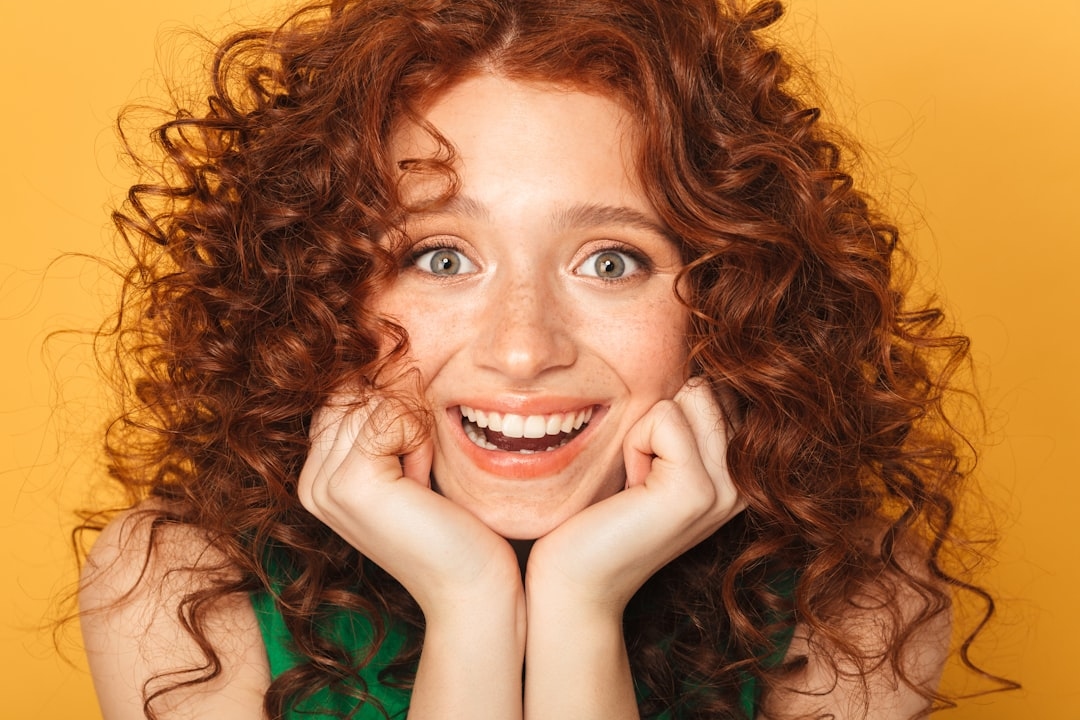
Tightest, most densely packed coils or a wiry texture. The curl pattern isn’t visible when looking at a single strand; instead, the hair has a crimped appearance throughout. 4C hair is the driest naturally, as natural oils (sebum) struggle to travel down the tight coil pattern. Shrinkage can exceed 80%. This hair type requires moisture every single day—leave-in conditioner is standard. Protective styling is essential; 50-60% of the time in protective styles (twists, braids, locs) maintains hair health.
Identifying Your Specific Type: A Practical Approach
Step 1: Examine a Single Strand
Pluck a single hair from your scalp and look at it closely. Does it form a spiral? How tight is the spiral? Compare it to the descriptions above. Is it loose like a marker, tight like a needle, or straight?
Step 2: Check Multiple Areas
Your hair type might vary across your head. Examine hair from your crown, sides, and nape. Many people have 2B waves at the sides and 3A curls at the crown. Identify the dominant type and note variations.
Step 3: Observe How It Behaves
Does your hair frizz easily? Does it shrink significantly when dry? Does it hold curls or go straight? These behaviours indicate your type. Extreme shrinkage (70%+ loss) suggests Type 4. Loose waves that don’t hold shape suggest Type 2A or 2B.
Common Mistakes to Avoid When Identifying Your Type
- Using chemically treated hair: Relaxers, permanent colours, and heat damage alter curl pattern. Type your natural hair only.
- Typing wet hair immediately after washing: Some curl patterns don’t fully form until dry. Wait 6-24 hours after washing.
- Over-relying on products: Heavy styling gels and creams can weigh curls down, making them appear looser than they are. Type with minimal product.
- Ignoring shrinkage: If your hair shrinks significantly, you likely have Type 4 hair, even if the curl looks like Type 3 when wet.
- Comparing to others: Your friend’s Type 3B doesn’t look like your Type 3B. Texture varies within types. Focus on your hair’s behaviour, not others’.
Seasonal Variations in Curl Type
Your curls change with the seasons. In winter (December–February), central heating dries hair, and humidity is low; curls may appear tighter or frizzier. In summer (June–August), high humidity swells the hair shaft, often making curls appear looser and frizzier simultaneously. Spring and autumn (March–May, September–November) provide neutral conditions closer to your true type. Reassess your type annually—you may discover slight shifts in your texture over time.
Tailoring Your Routine to Your Curl Type
Once you’ve identified your type, choose products accordingly. Type 2 hair thrives with lightweight, volumising products (approximate cost: £15-£30 monthly). Type 3 requires hydrating curl creams and defining gels (£25-£45 monthly). Type 4 demands heavy-duty moisturising leave-in conditioners and oils (£30-£60 monthly). Matching products to type prevents wasting money on ineffective items.
FAQ Section
Can my curly hair type change?
Hair type is determined by your genetics, but texture can appear to change due to damage, hormonal shifts, aging, or chemical treatments. Your natural type remains consistent; however, heat damage and over-processing can make curls looser or straighter. Damage can also make curls frizzier or less defined.
What if my hair is multiple types?
Most people have multiple curl types on their head. Identify your dominant type and note secondary types. For example, “mostly 3A with some 2C waves at the sides” is perfectly normal. Style for your most prominent type.
Is hair typing the same as porosity?
No. Hair type describes curl pattern; porosity describes how well hair absorbs moisture. You might be 3B curls with low porosity, meaning your curls are tight but don’t absorb water easily. Both matter for product selection.
Do I need to know my hair type to care for my curls?
Not strictly, but knowing your type helps. You can learn through trial and error, but it takes longer. Knowing you have Type 4 hair means you’ll immediately understand why your hair shrinks dramatically and why daily moisture is essential—saving months of frustration.
Where can I get professional hair typing?
Curly hair specialists in the UK (found via searches for “curl specialist near me” or through Curlsbot directory) can type your hair professionally, typically costing £30-£50. Most salons offer free consultation. Alternatively, YouTube shows hundreds of typing examples—watching several videos often clarifies your type.