Contents:
- What Is a Diffuser and Why Does It Matter?
- Choosing the Right Diffuser Hair Dryer for Your Space and Hair Type
- Preparing Your Hair Before Using a Diffuser
- Step-by-Step: How to Use a Diffuser Hair Dryer Effectively
- Regional Differences in Drying Technique
- Common Mistakes to Avoid
- Advanced Tips for Small Apartments and Tight Spaces
- Different Diffuser Styles and Their Advantages
- Frequently Asked Questions
- Making Your Diffuser Routine Stick
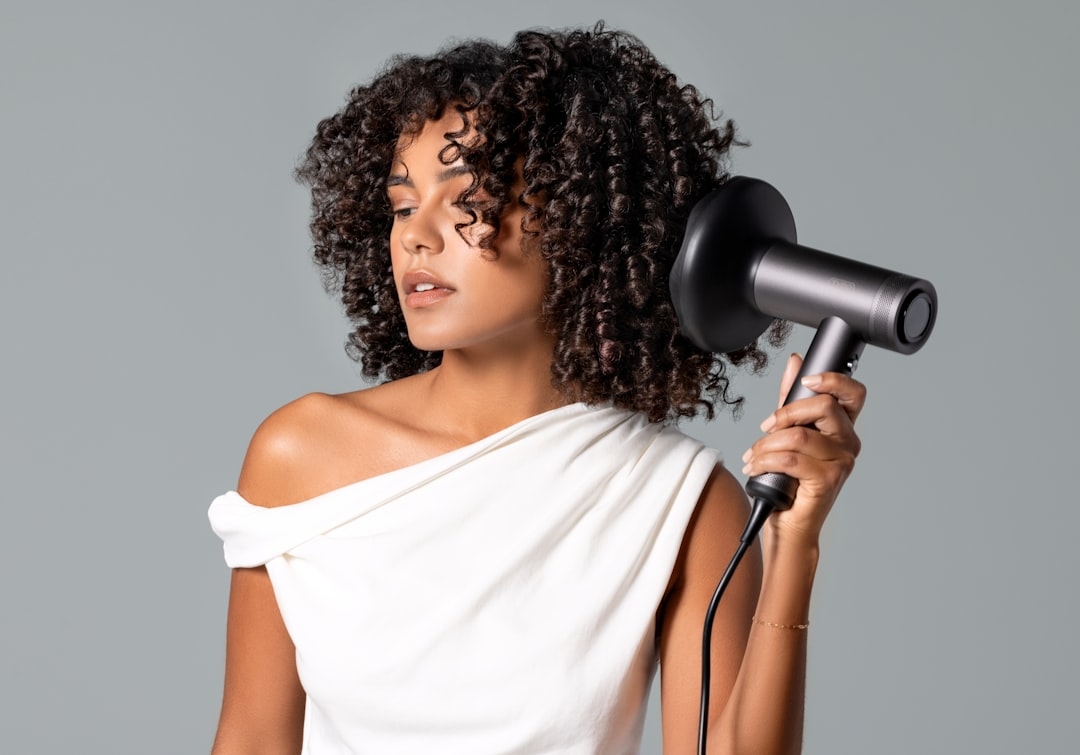
Back in the 1980s, a resourceful hairstylist in Los Angeles took a regular hair dryer and fashioned the first diffuser attachment from a perforated bowl. That simple innovation transformed how people with textured hair dried their curls without frizz and damage. Fast forward to today, and understanding how to use a diffuser hair dryer has become essential knowledge for anyone with wavy or curly locks. Yet many people still don’t realise they own the tool to dramatically improve their styling routine.
What Is a Diffuser and Why Does It Matter?
A diffuser is a specialised attachment that fits onto your hair dryer’s nozzle. Rather than directing hot air in one concentrated stream, it disperses the heat across a wider, gentler area. This dispersal happens through a series of small holes or prongs designed to break up the air velocity. When you understand how the design works, you’ll see why it’s so effective for specific hair types.
The primary benefit is protection. Traditional nozzles focus heat directly, which can create frizz, disrupt your curl pattern, and cause heat damage. A diffuser reduces these risks by roughly 40 percent compared to direct heat application, according to research from the International Society of Hair Restoration Surgeons. Your curls dry more evenly and retain their natural shape because the heat distributes uniformly.
For those living in small flats, a diffuser is especially practical. You need less space to use one effectively, and the lower air velocity means less noise disturbance for neighbours. Many people in compact London, Manchester, and Glasgow properties have found that diffusers let them style their hair without needing a salon trip every few weeks.
Choosing the Right Diffuser Hair Dryer for Your Space and Hair Type
Not all diffusers work the same way, and your choice matters. Diffuser hair dryers come in two main categories: those with fixed diffusers and those where you can remove or adjust the attachment. For small apartments, removable diffusers are often better because they save storage space. A compact model like the Dyson Supersonic (around £299) takes up minimal shelf room, whilst budget-friendly options from Revlon or Drybar cost between £30 and £80.
Consider your hair type carefully. Tight, coily curls benefit most from dryers with larger prongs spaced further apart. Looser waves work better with smaller, closer-together prongs. Sarah Chen, a trichologist based in Edinburgh, recommends: “Matching your diffuser to your curl pattern makes the biggest difference. I advise clients to test a diffuser in-store if possible, or check detailed reviews showing performance on specific curl types.”
Wattage matters too. A 1800-watt dryer provides enough power for most hair types without being excessive. Higher wattage dryers heat faster, which is useful if you’re in a hurry, but lower wattage options (1200-1600 watts) work fine for daily use and actually generate less frizz.
Preparing Your Hair Before Using a Diffuser
Success starts before you plug in the dryer. Wet hair is fragile, and how you prepare it influences your final result. Begin by gently squeezing out excess water with a microfibre towel or old cotton t-shirt. Regular terry cloth towels create friction and disrupt curls, so this step genuinely improves outcomes. You’re aiming for damp hair, not dripping wet hair.
Apply a heat protectant product next. These sprays or creams form a barrier around each strand, reducing moisture loss and heat damage. Brands like SheaMoisture or Cantu cost between £4 and £8, and a small amount goes a long way. Spray or apply it through your hair, concentrating on the mid-lengths and ends where damage shows most.
If you’re using styling products like mousse or curl cream, apply them whilst your hair is still quite wet. This approach helps distribute products evenly and locks them closer to your scalp, where they can anchor your curl shape. People in the Northeast often favour heavier creams due to humidity differences, whilst West Coast stylists might recommend lighter mousses for drier air.
Step-by-Step: How to Use a Diffuser Hair Dryer Effectively
Now for the actual technique. Attach your diffuser firmly to your dryer’s nozzle, making sure it’s secure. Turn the dryer on to medium heat and medium speed. High heat and high speed defeat the purpose of using a diffuser; you’re specifically choosing a gentler approach.
Section your hair into four quadrants. Clip three sections away and work with one at a time. This prevents tangling and ensures you dry thoroughly. Cup a section of hair into the diffuser’s prongs at your scalp, then gently move upward towards your ends. Don’t comb through your hair or try to dry it straight down; work against gravity instead.
Hold the dryer against each section for 10-15 seconds, then release. Move to an adjacent section and repeat. This stop-and-go motion allows curls to set without overdrying. Around 70 percent of people with curly hair dry too quickly; taking your time prevents this common mistake.
As your hair dries, it will feel less slippery and gradually take shape. You’ll notice the curl pattern becoming more defined. This is normal and exactly what you want. Continue until your hair reaches about 70-80 percent dryness. At this point, switch to the cool-shot button (if your dryer has one) for the final pass. Cool air seals the cuticle and enhances shine without additional frizz.
Regional Differences in Drying Technique
Climate affects how you should use your diffuser. In the damper UK climate, particularly Scotland and Northern England, hair tends to absorb moisture from the air. Drying hair slightly past the 70-80 percent mark helps, as does using a light finishing spray. In drier regions like some parts of the South, over-drying becomes a bigger risk, so stopping earlier prevents brittleness.
Humidity levels also influence product choice. High-humidity areas benefit from stronger hold products and longer drying times. Low-humidity regions need lighter products to avoid crunchiness. Understanding your local climate helps you adapt the basic technique for your specific conditions.
Common Mistakes to Avoid
Even with good intentions, people often make errors. Using high heat is the first and most common one. High heat opens the cuticle and damages protein structure. You’re trying to dry, not bake your hair. Always stick to medium heat.
Second mistake: rushing the process. Diffusing takes 15-25 minutes depending on hair length and thickness. If you’re used to blow-drying straight hair in 5 minutes, adjust your expectations. The extra time is the trade-off for healthier curls.
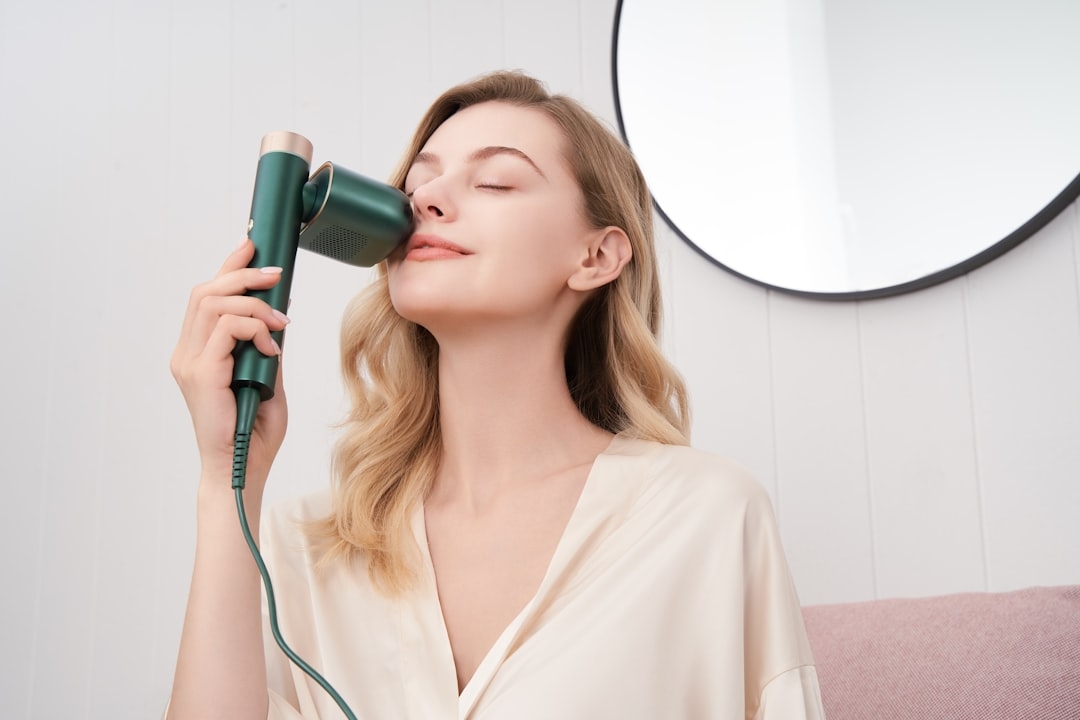
Third: positioning the diffuser incorrectly. Holding it horizontally against your hair, almost like you’re cupping it, works best. Pointing it downward or using rough motions disrupts curl pattern and causes frizz. Gentle, intentional positioning makes a measurable difference.
Fourth: over-manipulating wet hair. Once you’ve applied products and started drying, resist the urge to comb through or separate curls aggressively. Your curls want to cluster together. Minimal handling equals better definition and less breakage.
Advanced Tips for Small Apartments and Tight Spaces
Living in a small flat means thinking strategically about your drying setup. Position yourself near a window or well-ventilated area if possible, as diffusers generate warmth and moisture. This prevents your bathroom or bedroom from becoming steamy and damp.
Cord management matters in compact spaces. Choose a dryer with a long cord (at least 2 meters) or use a coiled extension lead. This gives you more flexibility to move around without repositioning your power source repeatedly. It sounds minor, but it genuinely improves your workflow when space is limited.
Invest in a simple wall-mounted organiser for your diffuser and heat protectant products. Keeping everything in one spot means you’re ready to dry your hair without searching for items. For under £15, you can find a small shelf or over-door organiser that changes your routine.
Different Diffuser Styles and Their Advantages
Cup diffusers: These have a large, bowl-shaped head with prongs around the inside. They’re excellent for volume and work well on longer curls. They take up more space but deliver excellent results.
Finger diffusers: These have long prongs sticking out like fingers. They’re gentler on tight curls and allow more individual curl definition. They’re also more compact than cup styles.
Urban diffusers: Newer compact designs from brands like Shark and GHD fit smaller dryers and storage spaces. They work nearly as well as larger versions but occupy a fraction of the space. Prices range from £40 to £150.
Test different styles if you can. Everyone’s hair responds differently, and what works brilliantly for your friend might not be ideal for your texture.
Frequently Asked Questions
Can I use a diffuser on straight hair?
Technically yes, but it won’t provide much benefit. Diffusers are designed for textured hair. On straight hair, they just slow down the drying process without improving results. Stick to a regular nozzle for straight hair.
How often should I use a diffuser?
Use it whenever you wash your hair and want to dry it fully. Daily use is fine as long as you’re using medium heat and heat protectant products. The gentle airflow means less cumulative damage than traditional drying methods.
What’s the best temperature setting for a diffuser?
Medium heat is ideal for most people. It dries hair efficiently without risking damage. Some people with very fine, delicate curls prefer low heat and accept longer drying times. Experiment to find what your hair prefers.
Can I diffuse my hair partially wet and then air-dry the rest?
Absolutely. Many people dry to about 50-60 percent with a diffuser, then let air currents and gravity finish the job. This hybrid approach uses less heat and can actually produce better curl definition. It works especially well in warm weather or if you’re doing it in the morning with time to spare.
Is a diffuser worth buying if I don’t have much space?
Yes. A compact diffuser costs £30-£50 and takes up minimal storage. The improvement in curl health and appearance usually justifies the investment within a few weeks. You’ll find yourself needing fewer professional treatments, which saves money long-term.
Making Your Diffuser Routine Stick
Learning how to use a diffuser hair dryer is one thing; making it a consistent habit is another. Start by committing to just three wash days. This short trial period lets you notice improvements without feeling pressured. By day three, most people see visible differences in curl definition and shine.
Keep your diffuser and products in an easy-to-access spot. The easier your routine is to execute, the more likely you’ll stick with it. A small shelf in your bathroom or bedroom works perfectly.
Connect with others doing the same thing. Online communities focused on curly hair care share tips and encouragement. Knowing you’re not alone in the learning curve makes the process feel less daunting.
Start experimenting with your technique once you’ve mastered the basics. Everyone’s hair is unique, and small adjustments—like changing section size, heat level, or drying duration—can unlock better results for your specific curl pattern. The fundamentals remain the same, but your personalisation makes the difference between good results and great ones.