Contents:
- Why Sectioning Matters for Curling Success
- Understanding Your Hair Type and Density
- Essential Tools for Sectioning
- The Classic Four-Section Method
- Step One: Create the Center Part
- Step Two: Divide Front to Back
- Step Three: Clip and Secure
- Step Four: Subdivide if Necessary
- The Six-Section Method for Thick or Long Hair
- Subsectioning: Maximising Heat Coverage
- Sectioning Techniques for Different Hair Lengths
- Short Hair (Above Shoulder)
- Medium Length (Shoulder to Mid-Back)
- Long Hair (Below Mid-Back)
- Creating Even Sections: Precision Techniques
- A Cost Breakdown: Sectioning Setup Investment
- Common Mistakes in Hair Sectioning
- Sectioning for Different Curl Tools
- Sectioning Timing: When to Prepare
- Frequently Asked Questions
- How thick should each subsection be?
- Can I section hair if it’s already dry?
- What if I have very fine hair—do I still need four sections?
- How long does sectioning actually take?
- Is there a sectioning method for curly hair that’s already textured?
- Next Steps: From Theory to Practice
Getting perfect curls isn’t about luck—it’s about preparation. The foundation of any successful curling technique lies in how you section your hair before you even pick up the styling tool. Most people rush through this step or skip it entirely, which is precisely why their curls fall flat within hours or look uneven. The truth is, sectioning transforms the entire curling experience, turning what feels like a chaotic process into something manageable and methodical.
If you’ve ever watched a professional stylist work, you’ve probably noticed they spend considerable time dividing the hair before applying heat. There’s a reason for this. Proper sectioning ensures every strand gets adequate heat exposure, creates lift at the roots, and allows the curl pattern to set correctly. Whether you’re working with fine, delicate hair or thick, dense locks, understanding how to section hair for curling is the skill that separates amateur results from salon-quality curls.
Why Sectioning Matters for Curling Success
Sectioning serves multiple critical purposes in the curling process. First, it increases control. When hair is divided into manageable portions, you can focus on technique rather than fighting with tangled strands. Second, it ensures consistency. Each section receives the same amount of heat and styling time, resulting in uniform curls throughout your head rather than a patchy mix of loose waves and tight ringlets.
Thermal damage is another consideration. When you curl unsectioned hair, you’re often curling the same strand multiple times as you try to capture all your hair in one go. This repeated heat exposure weakens the hair shaft and compromises its health. Strategic sectioning means each section passes through your styling tool once—no more, no less—reducing unnecessary heat damage by up to 40 per cent according to professional stylists’ assessments.
Additionally, sectioning affects curl longevity. A curl set properly in a controlled section will hold its shape far longer than a curl created haphazardly. The heat has time to penetrate evenly, the hair cools whilst holding the curl shape, and the result is a curl that lasts throughout the day or even into the next day, depending on your hair type and styling products.
Understanding Your Hair Type and Density
Not all hair requires the same sectioning approach. Your natural hair texture, thickness, and density should dictate how you divide your hair. Fine hair typically needs larger, looser sections to avoid creating an overly voluminous or frizzy result. Thick hair, conversely, requires smaller sections to ensure the heat penetrates through to the innermost strands.
Hair density—the number of hair follicles per square inch of scalp—also influences sectioning strategy. Someone with low-density hair (fewer follicles) can work with larger sections and fewer divisions, whilst high-density hair requires more sections for thorough coverage. A simple way to assess your density: pull your hair into a tight ponytail. If you can see significant scalp through the gathered hair, you have low density. If the ponytail looks thick and full, you have high density.
Additionally, consider your curl goal. Are you aiming for loose, beachy waves or tight, defined ringlets? Tighter curl goals actually require smaller sections to achieve that crisp definition. Looser waves can work with larger sections because the curl pattern is more forgiving of uneven heat application.
Essential Tools for Sectioning
You don’t need expensive equipment, but the right tools make the process considerably easier. Hair clips are non-negotiable—ideally four to six depending on how many main sections you’ll create. Look for clips that grip securely without denting hair. Butterfly clips or alligator-style clips work well and cost between £3–£8 per clip from most beauty suppliers.
A tail comb or sectioning brush is invaluable for dividing hair cleanly and precisely. The fine-toothed end allows you to create sharp partition lines, and the tail helps you lift and isolate sections. These cost roughly £4–£6.
A spray bottle filled with water or a light misting product helps manage sections whilst you work. This keeps hair in place and slightly dampens sections you’re not currently curling, which improves heat application. Basic spray bottles cost £2–£4.
Optionally, consider a hair sectioning clip set specifically designed with multiple colours and labels. These range from £8–£15 and can help you track which sections you’ve already curled, particularly useful if you’re new to the technique.
What the Pros Know: Professional stylists often use a quick mental trick—they count sections by location rather than trying to judge them visually. They think in terms of “crown,” “sides,” “lower back,” and “nape,” which ensures balanced proportions every time. This spatial reference system prevents the common beginner mistake of creating unevenly sized sections.
The Classic Four-Section Method
The four-section technique is the most popular approach and works well for most people learning how to section hair for curling. This method is straightforward, foolproof, and manageable for beginners.
Step One: Create the Center Part
Start with damp but not soaking-wet hair. Towel-dry to remove excess water. Using your tail comb, create a vertical line from your forehead through the centre of your scalp to the nape of your neck. This divides your head into left and right halves.
Step Two: Divide Front to Back
Next, create a horizontal line from ear to ear across the top of your head, passing through the crown. This line should curve slightly from ear to ear, following the natural contour of your head. Now you have four quadrants: upper left, upper right, lower left, and lower right.
Step Three: Clip and Secure
Clip three sections away, leaving only the first section open. Most stylists begin with one of the lower sections—the nape area is easiest to work with first because it’s out of the way. Secure the other three sections with clips, pinning them to the crown or sides to keep them completely separate from your working section.
Step Four: Subdivide if Necessary
If you have thick or very long hair, subdivide each quadrant into 2–3 smaller subsections. This ensures thorough heat penetration. For finer hair, the four main sections are usually sufficient.
The Six-Section Method for Thick or Long Hair
If you have particularly dense hair or hair longer than shoulder length, a six-section approach provides better control and more even results. This method adds two additional side sections.
Begin with the same centre part and horizontal division. Then, on each side of your head, create one additional vertical line from the temple area toward the back of the ear. This creates six sections: top centre, top right, top left, bottom centre, bottom right, and bottom left.
This method takes slightly longer—typically 15–20 minutes compared to 10–15 for the four-section method—but ensures every strand receives adequate attention. Professionals often use this for bridal or event styling where perfection is essential.
Subsectioning: Maximising Heat Coverage
Within each main section, you’ll create smaller subsections—the individual portions you’ll actually curl. These subsections should be roughly the width of your curling tool. If you’re using a 1-inch barrel, each subsection should be approximately 1 inch wide and perhaps 2–3 inches in length.
Subsections should never be too thick. A common mistake is creating subsections so large that the heat struggles to curl all the way through to the roots. Aim for sections where the curling iron can wrap the hair smoothly and hold it in place without the ends escaping.
Use your tail comb to carefully isolate each subsection from the rest. This prevents accidentally curling neighbouring strands. A clean separation ensures crisp, defined curls.
Sectioning Techniques for Different Hair Lengths
Short Hair (Above Shoulder)
Short hair requires fewer but slightly smaller subsections. The four-section method usually works, but you might subdivide into smaller pieces. The advantage: this takes only 5–10 minutes to section and curl. Focus on the crown area, where a few well-placed curls create significant volume and movement.
Medium Length (Shoulder to Mid-Back)
This is where most people find themselves, and the classic four-section method performs excellently. Plan for 15–25 minutes of total curling time depending on section thickness and desired curl tightness.
Long Hair (Below Mid-Back)
Long hair demands the six-section method or even an eight-section approach. You’re dealing with more weight, which pulls curls out of shape, so careful sectioning becomes even more critical. Consider creating subsections that are slightly narrower than you would for shorter hair to ensure the heat reaches the roots against gravity’s resistance.
Creating Even Sections: Precision Techniques
Visual consistency matters. Try this approach: divide your sections by counting, not guessing. If you’re creating four sections, imagine your head is a clock face. The vertical line runs from 12 to 6. The horizontal line runs from 3 to 9. This mental framework creates naturally balanced proportions.
Another technique: use the width of your fingers as a measurement guide for subsections. Two fingers width usually equals roughly 1 inch—the standard size for most curling tools. This gives you a consistent reference without needing to pull out a measuring tape.
Tension matters too. When isolating a subsection, hold it with gentle but firm tension. This keeps the section secure and allows you to see the actual thickness you’re working with. Loose sections can appear thinner than they actually are.
A Cost Breakdown: Sectioning Setup Investment
Many people think sectioning requires expensive salon-grade equipment. It doesn’t. Here’s what an effective, long-lasting sectioning kit costs:
- Tail comb: £4–£6
- Hair clips (set of 6): £8–£15
- Spray bottle: £2–£4
- Sectioning clips with labels (optional): £8–£12
- Total for a complete setup: £22–£37
This is a one-time investment. Properly cared-for combs and clips last years. You’ll recoup this cost in avoided salon visits—a professional blow-dry with curls costs £25–£50, and most people get them done monthly. One month of DIY curling with proper sectioning pays for your entire toolkit.
For sustainability-conscious stylers, look for tools made from recycled materials or those designed for longevity. Some brands now offer metal clips instead of plastic and bamboo-handled combs, which have a lower environmental footprint and often last longer than synthetic alternatives.
Common Mistakes in Hair Sectioning
Uneven Sections: The most frequent error is creating sections of wildly different sizes. This results in some curls looking perfect while others are loose or undefined. Measure visually or use your finger-width guide for consistency.
Forgetting the Underside: Beginners often focus on top layers and neglect the hair underneath. You must section all the way through—from the crown down to the nape, ensuring no strand is missed.
Sections Too Thick: Heat struggles to penetrate thick sections, leaving the roots uncurled. If your curls drop within an hour, oversized subsections are likely the culprit. Reduce section thickness by 25–30 per cent and observe the difference.
Not Clipping Away Unused Sections: Leaving unbobby-pinned hair loose while you work causes sections to mix together, defeating the purpose of sectioning. Secure every section not currently being curled.
Inconsistent Subsection Direction: Within each section, ensure your subsections run parallel to each other. Angled or crossed subsections create inconsistent curl patterns.
Sectioning for Different Curl Tools
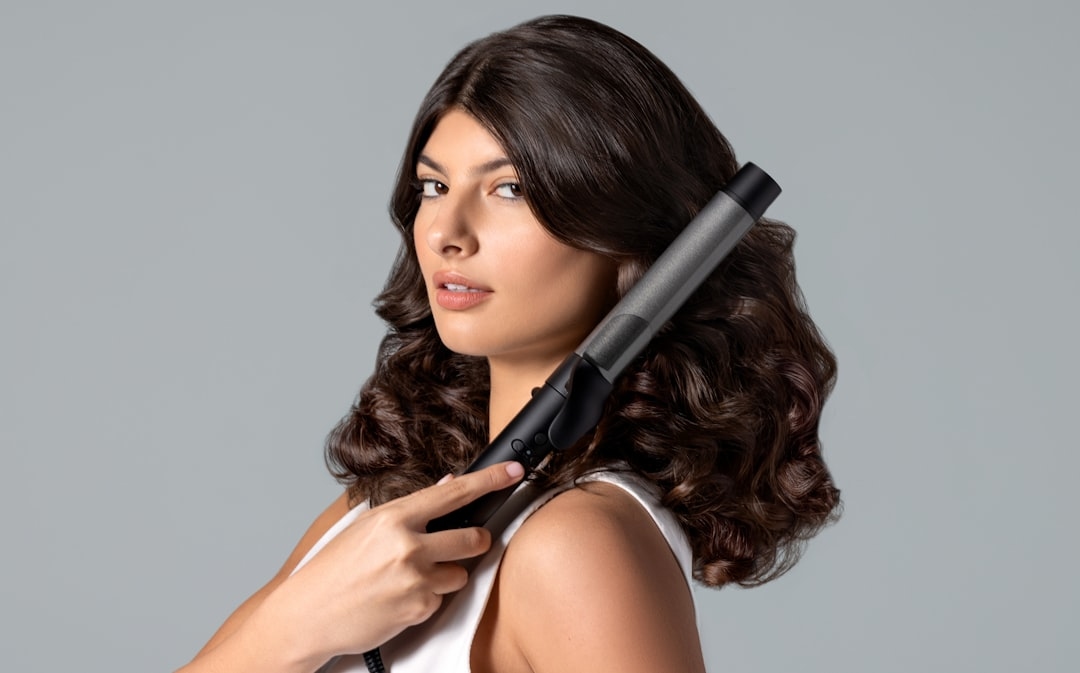
The size of your sectioning should coordinate with your chosen styling tool. A 1-inch curling iron suits standard sectioning as described here. However, if you’re using a larger 1.5-inch barrel, you can increase subsection width slightly. For smaller 0.75-inch barrels, reduce section width proportionally.
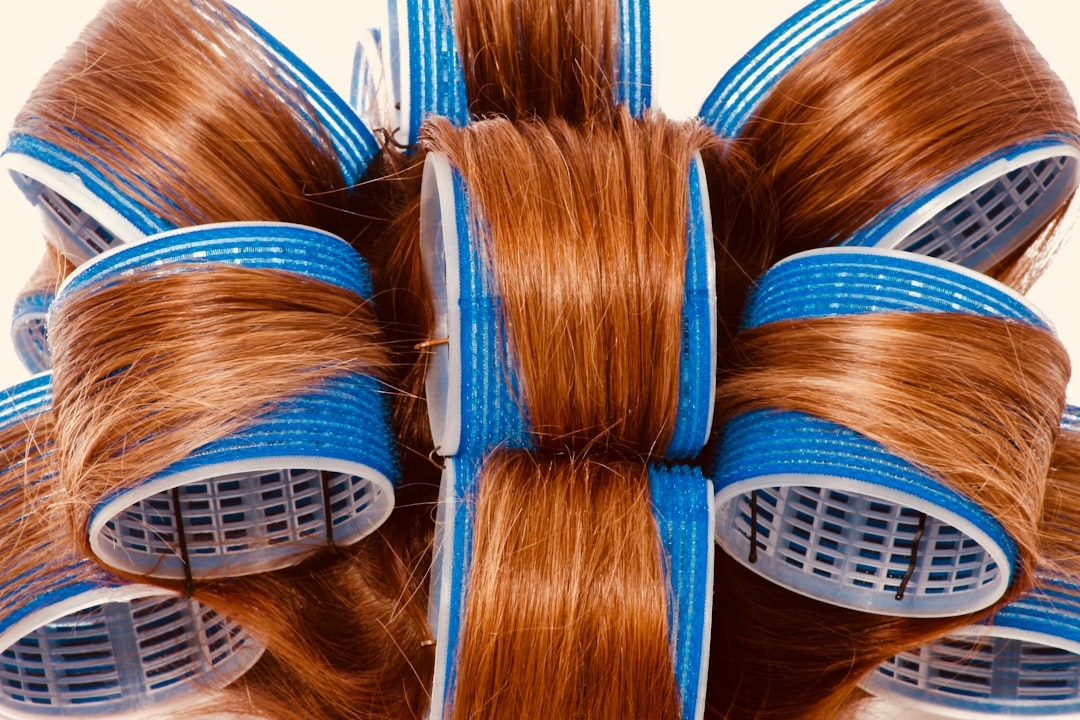
Straightener curling requires slightly different sectioning—narrower subsections work better since the tool works on a different principle than traditional curling irons. Rollers benefit from larger subsections since they hold more hair securely.
This flexibility is part of why understanding the fundamental principles of sectioning matters more than memorising exact widths. Once you grasp why sections need division, you can adapt the technique to whatever tools you prefer.
Sectioning Timing: When to Prepare
Section your hair immediately before curling, not hours ahead of time. Hair that sits in clips loses volume and can develop creases. Ideal timing: section, then begin curling within five minutes.
If you’re sectioning before washing (some people like to apply treatment products section by section), that’s fine—just make sure you wet or dampen the hair again before curling. Dried-out sections don’t curl as effectively.
Frequently Asked Questions
How thick should each subsection be?
Each subsection should be roughly the width of your curling iron barrel, typically 0.75–1.25 inches. Thinner sections (under 0.75 inches) curl more tightly and hold longer. Thicker sections (over 1.25 inches) create looser, wavier patterns but risk uncurled roots.
Can I section hair if it’s already dry?
Dry hair is difficult to section neatly and curls less effectively. Dampen hair with a spray bottle before sectioning. Slightly damp hair sections cleanly and curls much better than bone-dry hair.
What if I have very fine hair—do I still need four sections?
Fine hair with low density can often work with three larger sections rather than four. Start with three sections and adjust based on results. You might also find subsections can be slightly larger for fine hair since individual strands curl more easily.
How long does sectioning actually take?
Initial sectioning takes 3–7 minutes depending on hair length and experience. As you practise, this becomes faster. Subsectioning happens gradually during the curling process itself, so that’s not separate time—you’re subsectioning each section as you curl it.
Is there a sectioning method for curly hair that’s already textured?
Yes—if you have naturally curly or textured hair and want to add tighter curls or refresh the pattern, use the same four or six-section method. Your natural curl pattern means you might use slightly larger subsections. Work with your curl pattern’s natural direction rather than against it.
Next Steps: From Theory to Practice
Understanding sectioning in theory is one thing; executing it successfully is another. Start with the four-section method on a day when you’re not rushing. Set aside 30 minutes for your first attempt—sectioning and curling combined. By your third or fourth time, the process will feel intuitive and take only 20 minutes.
Watch your results carefully. If certain areas don’t curl well, they likely weren’t sectioned properly or the subsections were too thick. If you find yourself with too much volume in some areas, reduce your subsection size. Every head is different, and refining your personal technique based on results is how you move from competent to confident.
The professionals who make curling look effortless haven’t skipped steps—they’ve simply practised the fundamentals until they’re automatic. Sectioning is that fundamental. Master it, and every curling project becomes manageable, even beautiful.