Contents:
- Understanding Hair Dye Types and What Suits Your Hair
- Preparing Your Hair: The Essential Foundation
- A Seasonal Timeline for Colour Planning
- Step-by-Step Application: How to Dye Your Hair Like a Professional
- Common Mistakes to Avoid
- What the Pros Know: Insider Tips
- Caring for Dyed Hair: Extending Your Colour
- DIY vs. Professional: When to Call a Colourist
- Addressing Common Results Issues
- Frequently Asked Questions
- Your Hair Colour Journey Starts Now
Nearly 75% of women in the UK have dyed their hair at some point in their lives—yet many still feel nervous about the process. Whether you’re covering greys, refreshing your shade, or making a bold change, understanding how to dye your hair properly can mean the difference between a salon-quality result and a costly mistake.
Dyeing your hair is one of the most powerful ways to reinvent yourself. It’s personal, transformative, and entirely within your control. This guide walks you through everything you need to know to achieve stunning colour, whether you choose to DIY or work with a professional.
Understanding Hair Dye Types and What Suits Your Hair
The first step in learning how to dye your hair is understanding the different types of dyes available. Each type has specific strengths, longevity, and application methods. The choice dramatically affects your outcome.
Permanent hair dye is the gold standard for lasting colour change. It contains ammonia and peroxide, which open the hair cuticle and deposit pigment deep into the cortex. Permanent dyes typically last 6-8 weeks before fading becomes noticeable, though roots may show after 4-6 weeks. Brands like Schwarzkopf, L’Oréal, and Wella offer permanent ranges starting from £6 to £15 per box.
Semi-permanent dye is gentler and gradually fades with each wash, lasting 4-6 weeks. It contains no ammonia, making it ideal if you want to test a new shade or have previously damaged hair. Semi-permanent dyes cost £8-£12 and work best on lighter hair or as a gloss over existing colour.
Demi-permanent dye sits between these two. It contains a small amount of peroxide but no ammonia, lasting 12-24 shampoos. This option is perfect for subtle shifts in tone or covering 30% grey. Expect to pay £5-£10 per box.
Temporary and wash-out dyes are fun for short-term experimentation. Colour washes out in 1-2 shampoos. These range from £3-£8 and are brilliant for testing a shade before committing.
Your natural hair colour and condition matter enormously. Darker hair requires stronger processing and may need multiple applications or professional help to achieve lighter shades. If your hair is already damaged, coloured, or very fine, semi-permanent or professional application is safer.
Preparing Your Hair: The Essential Foundation
Preparation determines everything. Rushing this stage is where most DIY colour jobs go wrong. Give yourself at least 5 days before dyeing if you’ve recently used heat styling or chemical treatments.
Assess your starting point. Look at your natural hair colour under natural light. This baseline determines which dyes will work. If you’re significantly lighter or darker than your target shade, professional help saves time and money. Most permanent dyes work best within 2-3 shades of your natural colour.
Perform a strand test. This non-negotiable step saves disasters. Cut a small, hidden section of hair from the underside of your head. Mix the dye according to instructions and apply it to this test section. Wait the full development time and rinse. This shows you exactly how the dye will look on your hair and whether you’ll experience allergic reactions. Many people skip this and regret it.
Do an allergy patch test. Even if you’ve used a brand before, apply a small amount of mixed dye behind your ear 24-48 hours before dyeing your whole head. Hair dye allergies can develop suddenly, and the consequences range from itching to severe reactions. The 48-hour wait feels like forever, but it’s genuinely protective.
Condition your hair intensively. Two days before dyeing, apply a deep conditioning mask and leave it on for 15-20 minutes. The day before, skip washing—your scalp’s natural oils protect against irritation. This preparation makes a visible difference in colour deposit and shine.
Gather everything you need. Before opening the dye box, have ready: old towels, gloves (the cheap latex ones included in boxes tear easily; buy nitrile gloves separately for £1-2), a plastic mixing bowl, a colour brush or applicator, hair clips, a timer, petroleum jelly, old clothing you don’t mind staining, and cotton pads. Running around searching for items while dye develops is stressful and ruins timing.
A Seasonal Timeline for Colour Planning
When you choose to dye your hair affects results and maintenance:
- Spring (March-May): After winter, lighter shades work beautifully as you spend more time outdoors. UV light can fade colour, so consider this when choosing shade depth. Spring is ideal for testing new colours before summer.
- Summer (June-August): Avoid heavy permanent dyes in peak heat—applying dye in hot weather can speed processing and cause uneven results. If you must dye in summer, do it early morning or evening when it’s cooler. UV exposure fades bright and fashion shades rapidly, so opt for darker or more muted tones.
- Autumn (September-November): The sweet spot for dyeing. Cooler temperatures mean more predictable processing. Deeper, warmer shades suit the season and last well into winter. Many people refresh their colour now to look refreshed for autumn.
- Winter (December-February): Rich, cool-toned shades shine under indoor lighting. You’re indoors more, so colours fade slightly slower. However, central heating dries hair out—intensive conditioning becomes essential.
Plan colour maintenance around these seasons. If you dye in summer and want consistent colour through autumn, expect to retouch roots after 4-5 weeks rather than the usual 6 weeks.
Step-by-Step Application: How to Dye Your Hair Like a Professional
Once you’re prepared, the actual application is straightforward if you follow technique.
Section your hair properly. Divide dry hair into four quadrants using clips: top centre (crown), two side sections, and a lower back section. Add a centre section from forehead to nape if your hair is thick. This isn’t excessive—it ensures complete, even coverage. Use fine-tooth clips rather than claw clips, which damage hair.
Protect your skin. Apply petroleum jelly along your hairline, ears, and neck. This stops dye staining your skin. Some people use an old scarf or towel wrapped around their shoulders for extra protection. Dye stains skin for several days if you miss this step.
Mix the dye correctly. Follow the manufacturer’s exact proportions. Permanent dyes often come as cream plus developer in specific ratios—usually 1:1 or 1:2. Using too little developer means weak colour deposit; too much causes faster fading. Mix in a plastic bowl only—metal reacts with peroxide. Stir thoroughly for 1-2 minutes until the colour is completely uniform with no streaks.
Work section by section. Start at the roots where processing is slowest. Unclip one section and divide it into half-inch subsections. Apply dye with a colour brush, working from roots to mid-lengths, then tips. Saturate each subsection completely. The goal is dye contact with every strand. This takes 10-15 minutes for shoulder-length hair and 20-30 minutes for longer hair. Don’t rush.
Monitor processing time carefully. Set a timer for the exact time on the instructions. Most permanent dyes process for 35-45 minutes. Leaving dye on longer doesn’t deepen colour much; it just damages hair. Check colour development at the 25-minute mark by rinsing a small section at the back and checking the colour. If it’s darker than you want, rinse everything immediately.
Rinse with precision. Use lukewarm water (hot water opens cuticles and allows colour to escape). Rinse until the water runs completely clear—this takes longer than you’d think, often 3-4 minutes. This step directly affects how long your colour lasts.
Apply colour conditioner. Most boxes include a post-colour conditioner or gloss. Apply it generously to mid-lengths and ends, leave for 3-5 minutes, then rinse. This seals the cuticle and adds shine. It’s not optional if you want the colour to last.
Common Mistakes to Avoid
Learning how to dye your hair means understanding what goes wrong:
- Skipping the strand test. This is the most expensive mistake. Dye that works on someone else’s hair might turn brassy, orange, or muddy on yours. The strand test costs nothing and prevents £40+ correction visits.
- Dyeing already-damaged hair without consultation. If your hair is bleached, permed, or relaxed, permanent dye can cause breakage or uneven colour. Professional consultation is worthwhile here.
- Using the wrong shade selection. Many people choose a shade that’s 2-3 shades lighter than they can achieve from their natural colour. Check the shade guide on the actual box and match it to your natural hair colour swatch, not your desired outcome.
- Applying dye to already-wet hair. Wet hair absorbs dye unevenly. Always apply dye to clean, towel-dried hair—damp but not dripping wet.
- Ignoring the hairline and part line. These areas process faster because they’re thinner. Some people deliberately apply dye 1-2 minutes later to these sections, or rinse them 2-3 minutes earlier.
- Reusing old dye. Once a permanent dye box is mixed, it starts oxidizing and becomes less effective. Never save mixed dye for next time. This is false economy—the colour outcome suffers more than the small box cost.
- Washing hair too soon after dyeing. Wait 48-72 hours before shampooing. Colour molecules are still settling, and early washing strips them out. Use dry shampoo if your hair feels greasy.

What the Pros Know: Insider Tips
Professional colourists employ several tricks worth stealing. First, they always do a consultation, even for regular clients. They discuss lifestyle (chlorine exposure, sun exposure, how often you wash hair) because this affects which dyes and shades work best. Second, they use professional-grade dyes, which have better colour payoff and conditioning agents. Brands like Schwarzkopf Igora, L’Oréal Professionnel, and Wella Premium are available to buy online (£15-25 per application) and deliver superior results to drugstore versions. Third, they leave dye on the roots 5 minutes longer than mid-lengths and tips to account for the heat on your scalp accelerating processing. Fourth, they use a colour gloss or toner after every permanent dye application—this neutralizes unwanted tones (brassy, ashy, muddy) and makes colour look fresh and intentional.
Caring for Dyed Hair: Extending Your Colour
The dye job isn’t finished when you rinse it out. Aftercare determines how long colour lasts and how healthy your hair looks.
Use colour-safe shampoo and conditioner. Regular shampoo has harsher surfactants that strip colour faster. Colour-safe products (£4-8) close the cuticle and protect pigment. If your budget is tight, at least use colour-safe shampoo, which makes the biggest difference.
Wash with cooler water. Hot water opens the cuticle and lets colour fade faster. Cool or lukewarm water is gentler. This simple change extends colour life by 1-2 weeks.
Minimize heat styling. Blow dryers, straighteners, and curlers don’t directly fade colour, but the heat damage they cause makes colour look dull and uneven. If you heat style, use a heat protectant spray first.
Apply a weekly mask. Every 3-4 days, apply a deep conditioning mask and leave it for 10-20 minutes. This maintains shine and keeps colour looking fresh. Budget options like coconut oil or olive oil work if you don’t have a mask.
Protect from chlorine and salt water. If you swim regularly, wet your hair with fresh water and apply a leave-in conditioner before entering the pool or sea. This prevents your hair from absorbing chlorine or salt, which causes unwanted colour shifts (green tones from chlorine are real). Post-swim, rinse immediately with fresh water and apply conditioner.
Get regular trims. Dyed hair often feels drier, and dry ends show colour unevenly. Trim every 6-8 weeks to keep colour looking fresh and intentional. A £20 trim every 2 months is cheaper than colour corrections from poor results.
DIY vs. Professional: When to Call a Colourist
Some situations benefit from professional application:
- You’re going significantly lighter. Lightening more than 2-3 shades from your natural colour requires bleaching and professional expertise. DIY lightening often results in patchy, damaged, or brassy hair.
- You have dark, thick hair. Processing dark hair evenly requires skill and professional-grade products. Drugstore dyes often don’t lift dark hair sufficiently.
- Your hair is already coloured. Layering dye on dyed hair is complex. Professional colourists understand how previous colours interact with new dyes.
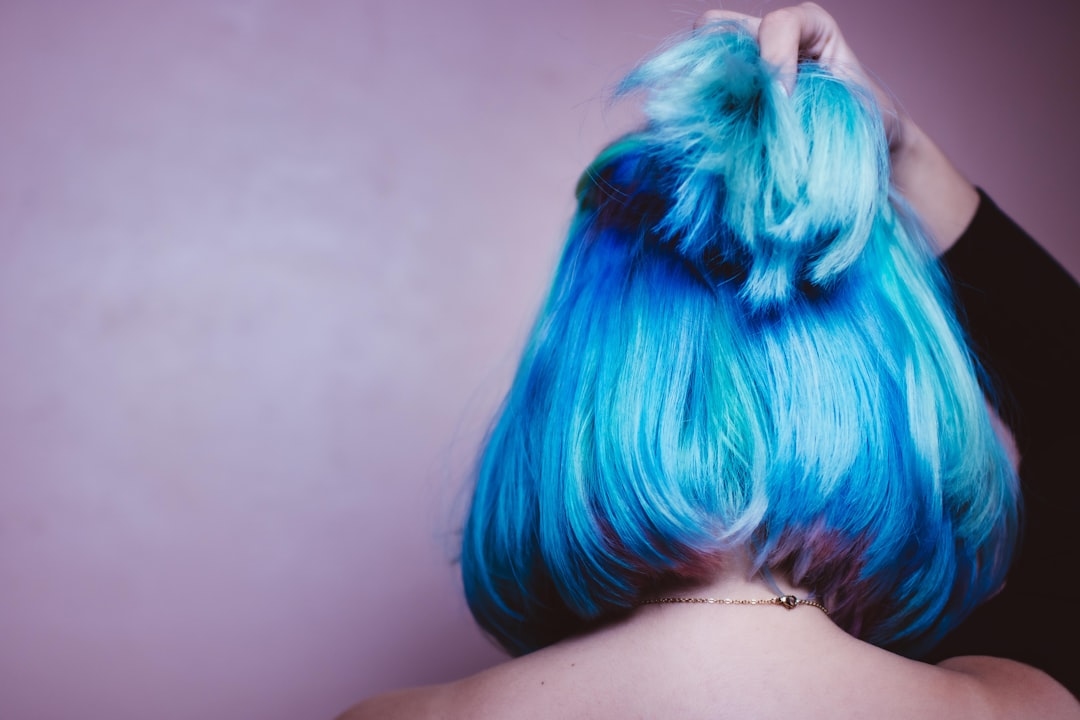
- You want a fashion shade (pink, blue, purple). These require pre-lightening and careful application. Professionals have the products and technique.
- You’re correcting a DIY mistake. A professional can assess damage and work towards your goal safely. This costs more upfront but saves money versus repeated DIY attempts.
Professional colouring costs £40-80 for a single process (one colour) or £60-150 for highlights or balayage in the UK. If you dye every 6-8 weeks, budget £240-480 annually for professional application.
Addressing Common Results Issues
Sometimes the colour you get isn’t the colour you wanted. Understanding why helps you adjust next time.
Brassy or orange tones. This happens when permanent dye processes too fast or you have warm-toned hair. Use a toning shampoo (£5-8) or ask a professional for a toner application (£15-25). Purple-toning shampoos neutralize brassy tones in blonde hair.
Colour too dark. If you dyed and it’s darker than expected, you can’t undo it with another dye—only lighten it. Wait at least 2 weeks, then consider semi-permanent colour stripper (£8-12) or professional colour correction (£50-100).
Patchy or uneven colour. This usually means uneven dye application or not enough processing time in some sections. When you re-dye, leave dye on 2-3 minutes longer and ensure every subsection is saturated.
Hair feeling dry or damaged. Dye is processing-intensive. Deep condition weekly, trim every 6 weeks, avoid heat styling, and consider semi-permanent dye next time instead of permanent.
Frequently Asked Questions
How long does hair dye last? Permanent dye lasts 6-8 weeks before noticeable fading, though roots show after 4-6 weeks. Semi-permanent lasts 4-6 weeks or about 24-28 washes. Demi-permanent lasts 12-24 washes. These timelines vary based on how often you wash, water temperature, and sun exposure.
Can I dye my hair if I’m pregnant? Most research suggests permanent and semi-permanent dyes are safe during pregnancy because you’re not ingesting them, but many pregnant women prefer to wait until the second trimester when the foetus is less vulnerable to new substances. Consult your midwife if concerned. Some opt for highlights or balayage instead, which limit scalp contact.
How soon can I dye my hair again after dyeing it? Wait at least 2 weeks between colour applications if both are permanent dye. If you made a mistake and need to correct it sooner, semi-permanent dye or a gloss is gentler. Dyeing too frequently causes severe damage.
Will dye damage my hair? Permanent dye does cause some damage because it opens the cuticle and uses peroxide. However, proper application and aftercare minimize damage. Semi-permanent and demi-permanent dyes are gentler. Your hair is most vulnerable in the first 48 hours after dyeing, so avoid heat styling and harsh treatments during this window.
What’s the difference between a rinse, gloss, and toner? A rinse deposits very light colour that washes out in 1-2 shampoos. A gloss is semi-permanent colour that tones and adds shine, lasting 4-6 weeks. A toner is permanent colour mixed with low-volume developer specifically to neutralize unwanted tones without changing depth. Toners are what professionals use to fix brassy or ashy results.
Your Hair Colour Journey Starts Now
Learning how to dye your hair opens creative possibilities. You now understand the science behind colour, the techniques that matter, and the care that makes results last. Whether you’re refreshing your regular shade, covering greys, or transforming your look completely, you have the knowledge to make informed choices.
If you’re attempting DIY, start with a test section and don’t skip the strand test. If results don’t match your vision, a professional colourist can adjust it. Colour is temporary—hair grows out, dyes fade, and you can always try something new. Enjoy the process, trust the process, and remember that the best colour is the one you feel confident wearing.