Contents:
- Why Hair Donation Matters in 2026
- Understanding Hair Donation Requirements
- Minimum Length Standards
- Hair Condition Requirements
- Hair Type Considerations
- Common Mistakes to Avoid
- Regional Differences in Hair Donation Across the UK
- Southeast and London
- Midlands and North
- Scotland and Wales
- West Country (Southwest)
- How to Donate Hair: Step-by-Step
- Step 1: Choose Your Charity
- Step 2: Prepare Your Hair
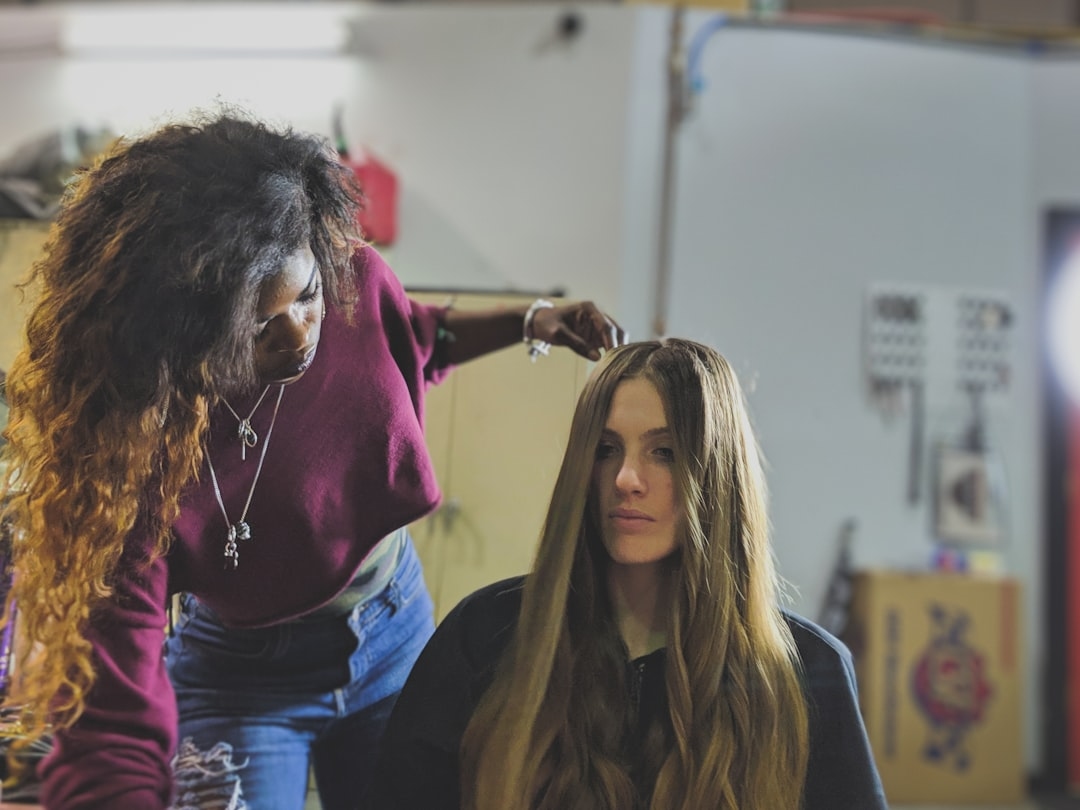
- Step 3: Visit Your Hairdresser
- Step 4: Package and Post Your Hair
- How Long Does Hair Donation Take?
- FAQ: Hair Donation Questions Answered
- Can I donate very long hair?
- Will donating damage my hair?
- Can I donate dyed or highlighted hair?
- What happens to hair that doesn’t meet requirements?
- Can I donate grey hair?
- Making Your Donation Count
Over 3 million people in the UK wear hairpieces or wigs due to hair loss from medical conditions, and remarkably, fewer than 5% of donated hair actually meets charity requirements. This statistic reveals an uncomfortable truth: most people who wish to donate their locks don’t understand what organisations genuinely need. The good news? Donating hair is straightforward once you grasp the essential criteria.
Why Hair Donation Matters in 2026
Hair loss affects millions worldwide, whether from alopecia, chemotherapy, burns, or androgenetic alopecia. Unlike synthetic wigs, human hair replacements offer psychological and physical benefits that transform lives. Recipients report improved confidence, social reintegration, and mental wellbeing when wearing wigs crafted from real hair.
The demand far exceeds supply. Across the UK, major charities receive tens of thousands of requests annually, yet their stock remains critically low. Your donated hair could become a custom-fitted piece for someone rebuilding their self-esteem after illness.
Dr. Miranda Ashford, a trichologist and specialist at the Follicle Research Institute in Manchester, explains: “Hair donation is remarkably empowering for recipients. Unlike modern synthetic alternatives, human hair retains its natural texture, accepts colouring, and ages naturally with the wearer. The psychological impact cannot be overstated.”
Understanding Hair Donation Requirements
Before you book a salon appointment to have your hair cut, understand that charities have stringent specifications. These aren’t arbitrary—they exist because crafting wigs requires undamaged, usable hair.
Minimum Length Standards
Most UK charities require a minimum of 10 inches (25 centimetres) of hair. Some organisations, such as Locks of Love UK and Hair 2U Foundation, accept 8 inches in exceptional circumstances. This measurement is taken from the roots to the tips of the longest strands. A common mistake occurs when donors measure their hair at shoulder height—always measure from root to tip.
Hair Condition Requirements
Your hair must be in genuinely good condition. This means:
- No chemical damage from perming or relaxing treatments
- Minimal breakage or split ends
- No braids, beads, or attachments at the time of cutting
- Predominantly one colour (some charities accept highlighted hair if it appears natural)
- Free from product buildup—clarify your hair one week before donation
If your hair has been bleached platinum, permed, or chemically treated within the previous six months, it likely won’t meet standards. Charities use donated hair to craft wigs that must withstand years of wear, so structural integrity is non-negotiable.
Hair Type Considerations
Straight, wavy, and curly hair are all valuable. However, the hair must be healthy enough to be restyled. Extremely damaged curly hair that has lost elasticity, or hair that’s partially straightened with chemical treatments, presents complications for wigmakers. If your curly hair is healthy and well-maintained, it’s genuinely sought after—curly hair wigs command premium pricing and recipients specifically request them.
Common Mistakes to Avoid
Before you donate, sidestep these frequent errors:
- Measuring incorrectly: Many donors underestimate their donatable length by measuring from their shoulders rather than from the scalp roots. Your hair may shrink slightly when cut and dried.
- Donating freshly bleached hair: Even if your hair looks shiny, hair treated within the previous six months is typically rejected. Wait at least six months after your last chemical treatment.
- Not clarifying before donation: Product buildup from conditioners, serums, and styling products reduces the hair’s usability. Shampoo twice with a clarifying shampoo seven days before your cut.
- Waiting too long after deciding: If your hair is already at the required length, delaying increases the risk of further damage. Schedule your cut within a few weeks of confirming your charity choice.
- Assuming all charities accept all hair: Different organisations have different criteria. The charity accepting your hair type might be located in a region you didn’t initially consider.
Regional Differences in Hair Donation Across the UK
Where you live influences which charities are available and their specific requirements.
Southeast and London
The Southeast hosts several major charities including Hair 2U Foundation (based in Surrey) and London-area recipients of Little Princess Trust donations. Demand is particularly high here due to population density. If you’re donating in this region, expect prompt processing—some salons work directly with Southeast-based charities.
Midlands and North
Northern regions, including Manchester, Birmingham, and Leeds, have strong community networks. Locks of Love UK processes donations across the North and Midlands. Hair donors in these areas often find that local salons are experienced with the donation process, as they’ve built relationships with regional charities.
Scotland and Wales
Scotland and Wales have their own specialist organisations. The Scottish charity Hair Donation Collective and Welsh-based charities may have slightly different length requirements (some accept 8 inches). Processing times can be longer in these regions due to lower donation volumes, but your hair remains just as valuable.
West Country (Southwest)
Exeter, Bristol, and surrounding areas are served primarily by national charities rather than regional ones. Donors here typically post their hair to London-based charities, which adds a week to processing time. Check postage costs—some salons cover these, others charge £3-8.
How to Donate Hair: Step-by-Step
Step 1: Choose Your Charity
Research UK-registered charities that genuinely create wigs for recipients in need:
- Hair 2U Foundation: Accepts 10+ inches, processes within 6-8 weeks, free postage
- Little Princess Trust: Primarily for children, 10+ inches required, established since 2006
- Locks of Love UK: Accepts 8+ inches in some cases, £1.50 postage charge
Verify the charity is registered with the Charity Commission (search on their website). Unregistered organisations offering “free wig creation” are rarely legitimate and may sell your hair commercially.
Step 2: Prepare Your Hair
Starting eight weeks before your target donation date:
- Minimise heat styling and harsh treatments
- Use a hydrating shampoo and conditioner weekly
- Trim the ends lightly (half-inch trim) every 4-6 weeks to remove split ends
- One week before cutting, use a clarifying shampoo twice to remove product buildup
- Avoid perming, relaxing, or bleaching during this preparation phase
Step 3: Visit Your Hairdresser
Book an appointment at a salon experienced with hair donations. Many UK salons (particularly larger chains like John Frieda, Toni & Guy, and independent specialists) actively participate in donation schemes and won’t charge an additional fee for the donation cut. Some actually offer discounts because they reduce waste and gain positive publicity.
Confirm with your chosen charity that your hairdresser is familiar with their specific requirements. The stylist should cut the hair above the rubber band elastic, not including it in the donation. Typically, you’ll have 2-3 inches cut from your roots as dead weight, plus 1-2 inches from the ends.
Step 4: Package and Post Your Hair
Your stylist will typically handle this, but if you’re managing it yourself:
- Secure hair in a tight ponytail with a non-elastic band
- Place inside a padded envelope or small box
- Include a form confirming the hair’s condition (colour, treatment history, length)
- Send via Royal Mail Special Delivery (£12-15) to ensure it arrives
The charity will send you a certificate once your hair is received and processed.
How Long Does Hair Donation Take?
Processing varies by charity and current demand. Expect 6-12 weeks from posting to confirmation of receipt. Wig creation itself takes 3-6 months. You won’t meet the recipient (privacy protections exist), but most charities send a thank-you letter and certificate of donation.
FAQ: Hair Donation Questions Answered
Can I donate very long hair?
Yes. Hair longer than 20 inches is valuable because wigmakers can create multiple pieces or longer styles. Extremely long hair (36+ inches) is particularly sought after but ensure it meets condition standards.
Will donating damage my hair?
No. You’re having hair cut away that’s already dead. The scalp doesn’t “feel” the removal. Hair continues growing normally after donation. You’ll likely notice your hair feels healthier post-donation because split ends are removed.
Can I donate dyed or highlighted hair?
Depends on the dye method and charity. Permanent dye applied to hair that’s otherwise undamaged is sometimes accepted. Balayage or subtle highlights mimicking natural variation are often acceptable. However, vibrant unnatural colours (pink, purple, vivid red) are rejected because recipients seeking natural-looking wigs can’t use them. Always check your chosen charity’s specific policy.
What happens to hair that doesn’t meet requirements?
Hair that’s too damaged, too short, or unsuitable for wigs is typically discarded or composted. Some charities use substandard hair for textile products or donate it to research institutions. Your hair won’t be sold commercially by registered UK charities.
Can I donate grey hair?
Absolutely. Grey, white, and salt-and-pepper hair is valued by recipients seeking realistic-looking replacements. Avoid only if you’ve recently started greying and you’re concerned about short, weak new growth at the roots—otherwise it’s completely acceptable.
Making Your Donation Count
After you’ve donated, stay informed. Follow the charity’s updates on how your hair becomes a wig. Many charities share transformation stories on social media. Your 10-inch ponytail might become confidence for a teenager recovering from leukaemia, or a professional returning to work after a medical event.
If you’re passionate about supporting recipients beyond hair donation, many charities welcome financial donations (typically £20-50 creates one complete wig), volunteer opportunities, or advocacy. Sharing your donation story on social media—with your before and after photos—encourages others to contribute.
The 2026 hair donation landscape continues evolving, with improved processing, faster wig creation, and wider recipient access across the UK. Your involvement, whether as a one-time donor or returning supporter, directly impacts lives. The process requires patience and care, but the outcome justifies the effort entirely.