Contents:
- The Rarity of Red Hair Alone
- Why Red Hair is Recessive
- Blue Eyes: Another Rare Trait
- Blue Eyes by Region
- Combining the Odds: Red Hair AND Blue Eyes
- The Genetic Mechanism Behind the Combination
- Comparing to Other Rare Combinations
- Physical Characteristics Associated with This Combination
- Cost of Achieving This Look: Natural vs. Dyed
- Frequently Asked Questions
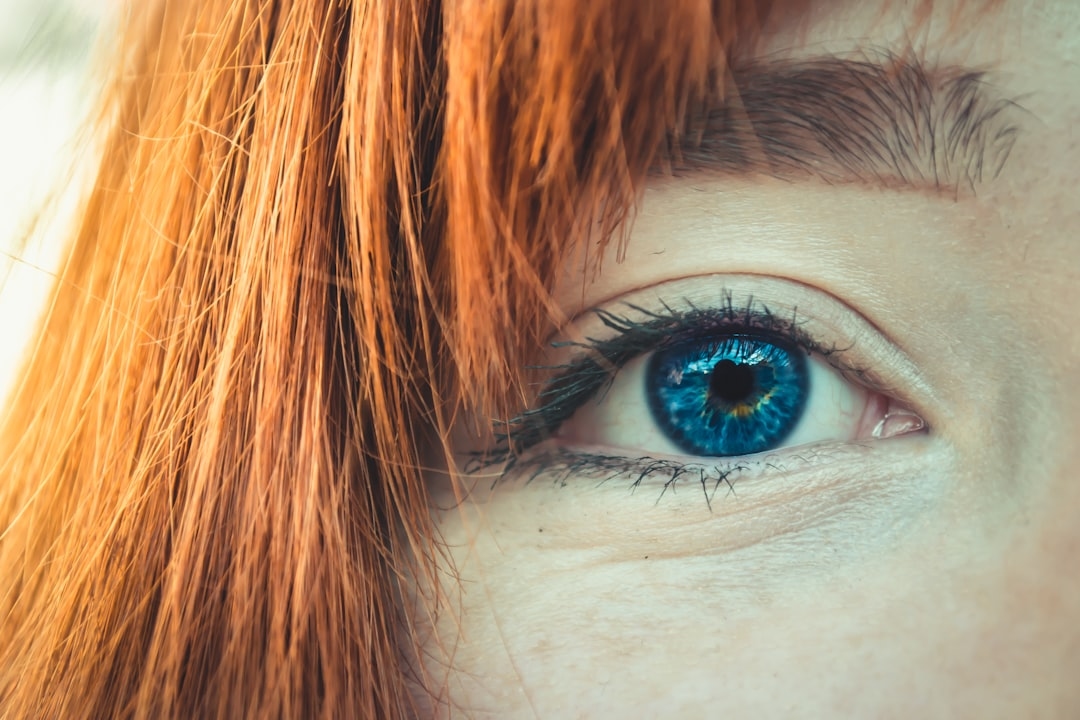
Red hair combined with blue eyes represents one of Earth’s rarest genetic combinations. Fewer than 1% of the global population possesses both traits simultaneously, making individuals with this appearance genuinely distinctive. The combination appears almost exclusively in Northern European ancestry, particularly Scotland and Scandinavia. Understanding the genetic rarity reveals why this pairing is so unusual and why it captures such fascination.
The Rarity of Red Hair Alone
Red hair (or ginger hair) is already exceptionally uncommon. Approximately 1–2% of the global population has naturally red hair. This rarity stems from genetics. Red hair requires a recessive gene mutation in the MC1R gene, which produces pheomelanin (the red-yellow pigment). Both parents must carry the red-hair gene for a child to express red hair. Even parents without red hair can carry the gene recessively and produce red-haired children.
Scotland leads the world in red-hair prevalence. Approximately 10–13% of Scots have red hair—far exceeding any other population. Ireland follows closely at 10%. Scandinavia shows 2–6% red-hair rates. Central and Eastern Europe show minimal red-hair presence. Africa and Asia show virtually no natural red hair (less than 0.1%), though mixed-ancestry individuals can inherit the trait.
Why Red Hair is Recessive
The MC1R mutation is recessive, meaning a person needs two copies (one from each parent) to display red hair. People with one copy appear as their other hair colour (often brown) but carry the red-hair allele. They can pass the red-hair gene to their children. This explains why red-haired children sometimes appear in families where neither parent has red hair.
Blue Eyes: Another Rare Trait
Blue eyes are also less common globally than most people realise. Approximately 8–10% of the world’s population has blue eyes. Like red hair, blue eyes require specific genetics. All blue-eyed people share a common ancestor from approximately 6,000–10,000 years ago who developed the first blue-eye mutation, according to research from the University of Copenhagen in 2026.
Blue eyes result from low melanin concentration in the iris. Unlike brown eyes (which contain significant melanin) or green eyes (which represent an intermediate melanin level), blue eyes have minimal melanin production. This genetic trait is recessive; two brown-eyed parents can have a blue-eyed child if both carry the recessive blue-eye allele.
Blue Eyes by Region
Blue eyes concentrate heavily in Northern European ancestry. Scandinavia shows the highest blue-eye prevalence—60–80% of populations in Sweden, Norway, and Denmark have blue eyes. Scotland and Northern Ireland show 20–30% blue-eye rates. Southern Europe shows 5–10%. Africa, Asia, and the Middle East show minimal natural blue eyes.
Combining the Odds: Red Hair AND Blue Eyes
Red hair occurs in 1–2% of humans. Blue eyes occur in 8–10%. If these traits were independent, you’d expect their combination in roughly 0.08–0.2% of the population (multiplying the percentages). However, they’re not independent—both traits concentrate in Northern European ancestry, making their combination far more common in populations where both traits appear frequently.
In Scotland, where 10–13% have red hair and 20–30% have blue eyes, the combination appears in roughly 2–4% of the population. In Scandinavia, red hair is rarer (2–6%) but blue eyes more common (60–80%), resulting in roughly 1.2–4.8% prevalence. Globally, combining both traits remains extraordinarily rare, particularly outside Northern Europe.
The Genetic Mechanism Behind the Combination
For a child to have both red hair and blue eyes, they must inherit:
- Two copies of the MC1R mutation (for red hair)
- Two copies of the OCA2/HERC2 gene variation (for blue eyes)
If both parents are red-haired and blue-eyed, their children have approximately a 50–100% chance of inheriting both traits. If one parent has both traits and the other has neither, their children have much lower chances—approximately 25% if the non-red-haired parent carries recessive genes. If both parents are carriers of red and blue genes but don’t express them, the probability drops further—roughly 6.25% of their children would express both traits.
Comparing to Other Rare Combinations
Red hair with green eyes represents a different rarity. Green eyes are even rarer than blue eyes (appearing in 2% of the population). Red hair with green eyes occurs in approximately 0.5–1% of the population. Red hair with hazel eyes shows slightly higher prevalence. However, red hair with blue eyes remains the most commonly documented combination globally, despite both being individually rare.
Physical Characteristics Associated with This Combination
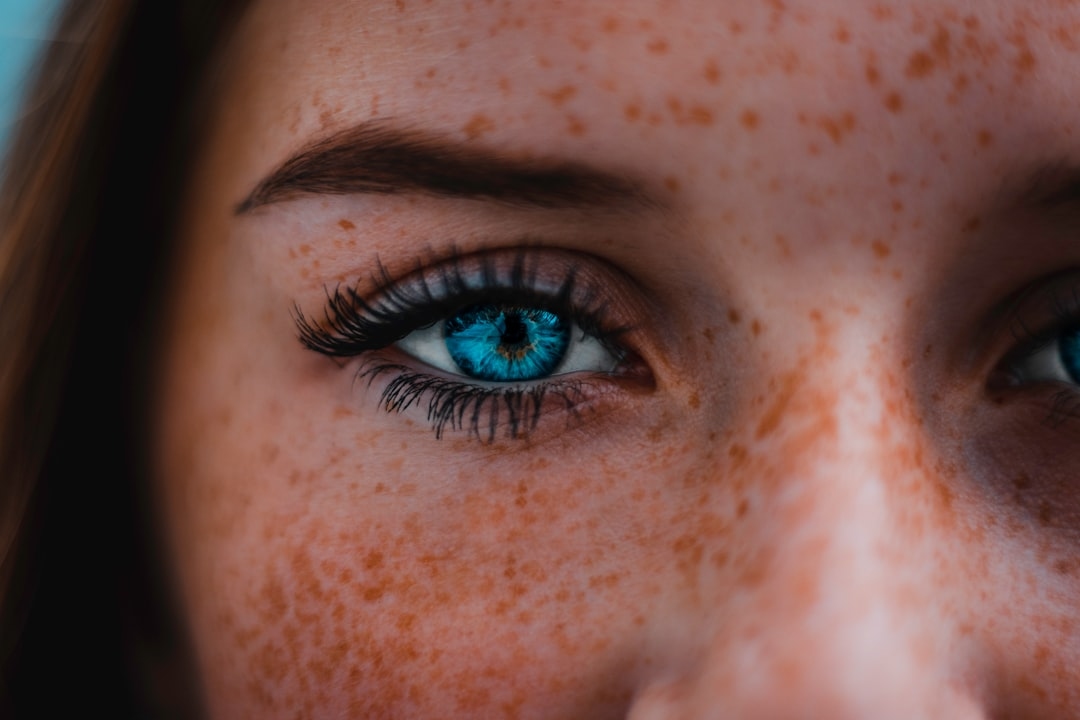
People with red hair and blue eyes typically share additional traits. Fair, pale skin appears in 80–95% of this group. Light-sensitive skin (burning easily in sun) occurs in roughly 60% of red-haired individuals, regardless of eye colour. Freckles appear in approximately 80% of red-haired people, often covering much of the body.
These traits cluster because the same genetic factors influence multiple characteristics. The MC1R mutation that produces red hair also reduces overall melanin production, resulting in pale skin and sun sensitivity. Blue eyes result from low iris melanin. Together, these traits create the distinctive appearance associated with Scottish and Scandinavian ancestry.
Cost of Achieving This Look: Natural vs. Dyed
Naturally occurring red hair and blue eyes require no financial investment. However, people interested in achieving this appearance through modification face costs:
- Red hair dye: Temporary (£3–8), semi-permanent (£4–10), or permanent (£6–15) options exist at home. Professional salon colouring costs £50–150 depending on hair length and tone.
- Blue contact lenses: Prescription contacts range £80–200 per box (3–6 month supply). Non-prescription cosmetic lenses cost £40–100 per box. Some require a UK optician prescription despite being cosmetic.
- Combined investment: Someone wanting both red hair and blue eyes through modification faces ongoing costs—roughly £100–200 initially, then £20–50 monthly for dye maintenance and contacts.
Frequently Asked Questions
What percentage of people have red hair and blue eyes?
Fewer than 1% globally. In Scotland and Scandinavia, prevalence rises to 2–4%. The combination appears almost exclusively in populations with Northern European ancestry.
Can two brown-eyed parents have a red-haired, blue-eyed child?
Yes. If both parents carry the recessive red-hair gene (MC1R mutation) and the recessive blue-eye gene (OCA2/HERC2 variation), their child has roughly a 6.25% chance of expressing both traits despite the parents having brown eyes.
Is red hair and blue eyes less rare than red hair and green eyes?
Yes. Red with blue eyes appears in roughly 0.5–1% of people. Red with green eyes is rarer, at approximately 0.5% of the population. Blue eyes are more common than green eyes, making their combination with red hair more likely.
Why are red hair and blue eyes more common together than with other features?
Both traits concentrate in Northern European ancestry. The genes producing red hair and blue eyes didn’t originate together, but both became established in Northern European populations thousands of years ago. Thus they appear together more frequently in these populations than random chance would suggest.
Can red hair and blue eyes appear in people of non-European ancestry?
Rarely. Mixed-ancestry individuals can inherit red-hair genes from European ancestors. Some East Asian, South Asian, and African individuals with European ancestry have red hair and blue eyes, though this remains extremely uncommon. Pure African or pure East Asian ancestry almost never produces this combination naturally.
The rarity of red hair combined with blue eyes underscores how specific genetic combinations create distinctive human appearance. While billions of people share some genetic traits, the precise combination of red hair, blue eyes, fair skin, and typical Celtic-Norse features remains genuinely uncommon—a reminder of how genetics produces infinite variation across human populations.