Contents:
- The Minimum Hair Length for Getting a Perm
- Why Hair Length Matters for Perm Success
- Curl Definition and Longevity
- Chemical Processing Safety
- Different Hair Lengths and Perm Suitability
- Short Hair (Under 10cm)
- Shoulder-Length Hair (15-30cm)
- Long Hair (30cm+)
- Hair Type Affects Perm Length Requirements
- Fine Hair
- Thick or Coarse Hair
- Curly or Textured Hair
- Preparing Your Hair for a Perm: Length and Condition
- Perm Cost and Length
- FAQ: Common Perm Length Questions
- Can you get a perm with shoulder-length hair?
- What happens if you perm hair that’s too short?
- Does thicker hair need to be longer for a perm?
- How long after cutting my hair should I perm it?
- Will a perm look different on longer versus shorter hair?
You’ve decided you want curly hair. Your styling routine would be easier, your hair would have texture and volume, and you’d love the permanent solution. One question stops you cold: is your hair long enough for a perm? How long does your hair have to be to get a perm? The answer isn’t just a simple number—it depends on your hair type, the perm style you want, and what you’re willing to compromise.
The Minimum Hair Length for Getting a Perm
Most professional hairdressers follow a simple rule: your hair should be at least 10-15cm long to receive a perm treatment. In practical terms, that’s roughly 4-6 inches—about the length from your fingertip to the first knuckle. At this length, the hair has enough structure to hold chemical rods during the processing and enough surface area to retain the curl pattern afterwards.
Why 10cm? Below this length, the perm solution struggles to properly saturate the hair shaft. The chemical process requires enough length for the disulfide bonds (the structural links in your hair) to reform in a curved pattern. If hair is too short, you’re fighting against the hair’s natural desire to return to its original state.
Fifteen centimetres is the sweet spot. At this length, you get reliable curl formation, the perm processes evenly, and you have enough hair to work with if the initial result needs adjustment. Salons often recommend aiming for 15-20cm for best results.
Why Hair Length Matters for Perm Success
Curl Definition and Longevity
Longer hair holds a perm better because the weight of the hair helps maintain the curl shape. Shorter hair naturally springs back toward its original form more aggressively. If you perm hair that’s only 8cm long, the curls might loosen significantly within 4-6 weeks instead of lasting the full 3-4 months you’d expect from a proper perm on longer hair.
The rod size also matters. Perming specialists use different diameter rods depending on your desired curl size. Smaller rods create tight curls; larger rods create loose waves. But small rods can’t fit through very short hair, and large rods won’t create much of a wave in short hair anyway because there’s not enough length for the curl to develop properly.
Chemical Processing Safety
A perm involves two main chemical stages: the reduction phase (breaking down hair structure with ammonium thioglycolate or similar agents) and the oxidation phase (reforming bonds in the new curved shape). Very short hair experiences more intense chemical exposure across its entire length because there’s less overall hair mass to dilute the chemicals.
Sarah Chen, a certified trichologist with 18 years of salon experience, explains: “I recommend 15cm minimum because it allows even saturation. Below that, the ends can become overprocessed while the roots under-process, leading to frizz and breakage. The chemicals need enough length to work gradually through the structure.”
Different Hair Lengths and Perm Suitability
Short Hair (Under 10cm)
Very short pixie cuts or buzz-cut styles are technically permable, but results are disappointing. You’ll lose the curl definition quickly, and the risk of damage increases substantially. The perm might look limp or create frizz instead of defined curls. Skip it. If you love the short-hair look, heat-styling techniques give better results than a perm.
Shoulder-Length Hair (15-30cm)
This is the prime zone for perms. Your hair is long enough to process safely, hold a curl definition for months, and allow you to choose between tight spirals, loose waves, or body waves. A perm on shoulder-length hair gives you styling flexibility and noticeable results.
Long Hair (30cm+)
Perms work beautifully on long hair, but the process requires more product and longer processing time. Costs typically increase 20-30% for hair longer than 30cm. The weight of longer hair can stretch out waves, so expect tighter initial curls to relax into more subtle waves over the perm’s lifetime. Some people prefer this; others find their expensive perm looks too loose by month two.
Hair Type Affects Perm Length Requirements
Fine Hair
Fine hair needs to be on the longer end of the range—15-20cm minimum—because finer strands are more fragile. Fine hair also struggles to hold curls due to its lighter weight. The perm might take, but you’ll need longer hair for adequate weight to maintain the curl shape.
Thick or Coarse Hair
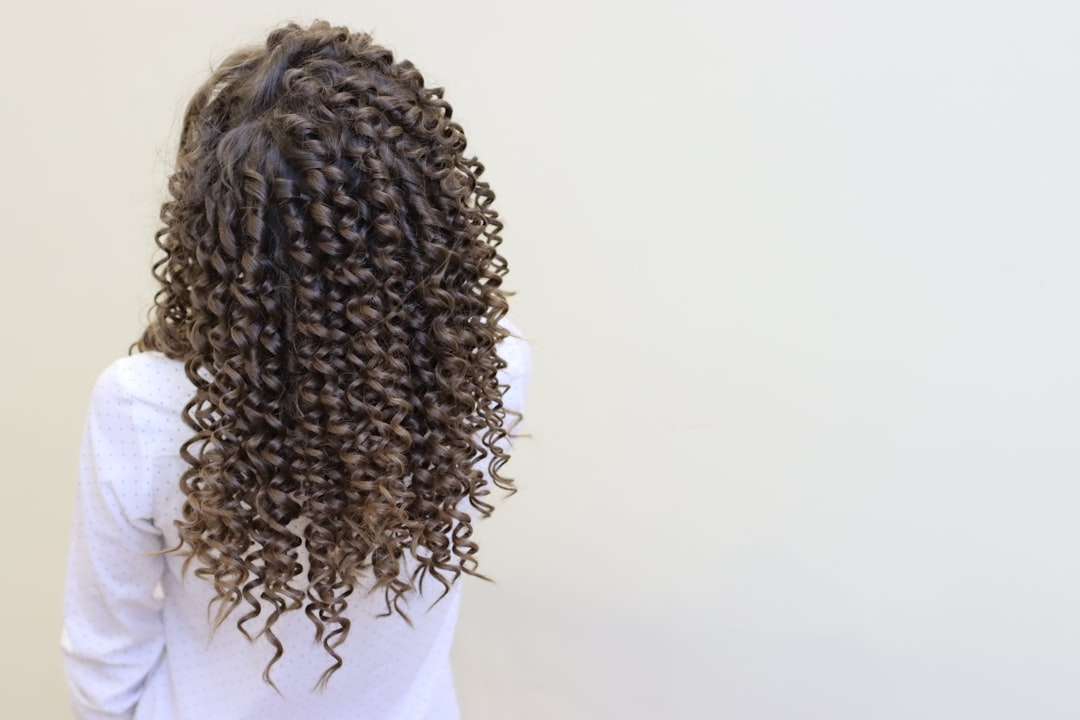
Thicker hair can be permed at 10-15cm because it has natural weight and resilience. Coarse hair holds curls easily and rebounds quickly. Be aware that thick hair can be stubborn about taking a perm; your stylist might need to use stronger solutions or longer processing times, increasing the risk of damage.
Curly or Textured Hair
If you already have natural curls, a perm redefines them rather than creating new curls. You still need 10-15cm minimum, but the results depend heavily on your natural curl pattern. Some people find perms make their natural texture worse; others love the reshaped curl. Do a strand test first.
Preparing Your Hair for a Perm: Length and Condition
Minimum length matters, but hair condition matters equally. If your hair is shorter than 10cm, it’s not long enough. Period. If your hair is the right length but severely damaged, weak, or stripped from previous colour treatments, a perm will exacerbate the damage.
Before booking, assess your hair’s condition. Do a simple elasticity test: take a strand of damp hair and gently stretch it. It should stretch slightly and snap back. If it snaps immediately or stretches too much without rebounding, postpone your perm and focus on conditioning treatments for 4-6 weeks.
Most salons trim hair before perming. Ask your stylist if they recommend a cut to remove damaged ends. A 2-3cm trim removes problem ends and improves the perm’s ability to take evenly.
Perm Cost and Length
UK salons typically charge £60-150 for a basic perm, depending on location and salon prestige. Longer hair costs more—expect an additional £15-30 per 10cm of length beyond shoulder-length. So a 40cm-long perm might cost £90-180 while a 15cm shoulder-length perm costs £65-120. Factor this into your decision if length is borderline.
FAQ: Common Perm Length Questions
Can you get a perm with shoulder-length hair?
Yes, shoulder-length hair (typically 15-30cm) is ideal for perms. This length is long enough to process safely and hold curls effectively, yet short enough to avoid the weight issues that affect very long hair.
What happens if you perm hair that’s too short?
Short hair (under 10cm) will process unevenly, won’t hold a curl definition long-term, and risks chemical damage because the solution concentrates heavily on limited hair mass. You’ll likely see curls drop out within weeks.
Does thicker hair need to be longer for a perm?
No. Thick hair can be permed at 10-15cm because its weight naturally helps hold curls. Fine hair benefits from being on the longer end of the range (15-20cm+).
How long after cutting my hair should I perm it?
Wait 1-2 weeks after cutting. Fresh cuts have raw, blunt edges that absorb perm chemicals too quickly. Waiting allows the ends to stabilise slightly, promoting even chemical processing.
Will a perm look different on longer versus shorter hair?
Yes. Shorter hair shows tight, defined curls. Longer hair’s weight stretches curls into looser waves. Both look good, but they’re different aesthetics. Consider your hair length when choosing the rod size with your stylist.