Contents:
- Understanding Keratin Treatments and Hair Structure
- Does Keratin Treatment Cause Hair Loss? The Reality
- Trauma-Related Shedding: The Real Culprit
- Chemical Sensitivity: Formaldehyde Concerns
- Keratin Treatment vs. Brazilian Blow-Dry: Understanding the Difference
- Common Mistakes to Avoid With Keratin Treatments
- Timeline: When to Expect Shedding and Recovery
- Preventing Hair Loss Around Keratin Treatment Time
- FAQ: Keratin Treatment and Hair Shedding
- Why is my hair shedding more after my keratin treatment?
- Can keratin treatment damage my hair if I use it too often?
- Is keratin treatment safe if my scalp is sensitive?
- How do I know if my hair loss after keratin is temporary or permanent?
- Should I be concerned about formaldehyde in keratin treatments?
- Moving Forward: Keratin Safely
Your hair looks incredible after a keratin treatment, but then you notice more strands in your shower drain than usual. You wonder: does keratin treatment cause hair loss? The worry is understandable, but the answer typically is no—though certain situations can trigger shedding.
Understanding Keratin Treatments and Hair Structure
Keratin is a protein that forms the outer layer of your hair shaft. Commercial keratin treatments coat hair with concentrated keratin proteins, temporarily filling damaged areas and sealing the cuticle. Most treatments last 3-4 months before gradually fading as your hair grows and shampoos wash them away.
Keratin treatments are popular specifically because they improve hair appearance without permanent chemical changes. A salon treatment costs £60-£150 depending on hair length and density. At-home keratin kits cost £15-£40.
The process is straightforward: apply keratin, rinse, blow-dry, flat iron. The heat activates the protein’s bonding. This creates temporary smoothness and shine that makes fine or damaged hair look visibly healthier. For people with thick, curly, or frizzy hair, the transformation feels remarkable.
Does Keratin Treatment Cause Hair Loss? The Reality
Direct keratin-induced hair loss is extremely rare. Keratin proteins don’t damage hair roots or cause follicles to prematurely shed. However, a few scenarios can trigger temporary shedding that people mistakenly attribute to keratin itself.
Trauma-Related Shedding: The Real Culprit
If hair loss follows keratin treatment, it’s usually from mechanical trauma during application, not the keratin itself. The blow-drying and flat-ironing steps use significant heat and pressure. If your stylist rough-handled your hair or used excessive heat (temperatures above 200°C), you may experience telogen effluvium—stress-induced shedding where 20-30% more hairs than normal enter the shedding phase.
This isn’t permanent. The hairs were already scheduled to fall out within 2-3 months; the trauma just pushed them into shedding sooner. Within 2-3 weeks after treatment, shedding stops. By week 6, you’ll barely notice it.
Chemical Sensitivity: Formaldehyde Concerns
Some keratin treatments released 2-4 years ago contained formaldehyde or formaldehyde-releasing agents. These chemicals can irritate the scalp if the treatment contacts skin directly, causing temporary inflammation and shedding. Modern keratin treatments (since 2022) are formaldehyde-free in the UK due to stricter regulations. If your treatment was applied in 2026 from a reputable salon, this isn’t your issue.
Keratin Treatment vs. Brazilian Blow-Dry: Understanding the Difference
Confusion reigns here. Many people call keratin treatments “Brazilian blow-dries,” but they’re different products with different chemical profiles and shedding risks.
Keratin treatments coat the hair with protein. Low chemical risk. Cost: £60-£150. Duration: 3-4 months. Hair loss likelihood: minimal.
Brazilian blow-dries (sometimes called “Brazilian keratin treatments”) use a different formulation—typically containing formaldehyde-releasing chemicals that chemically bond to hair. Higher risk of scalp irritation. Cost: £80-£200. Duration: 4-6 months. Hair loss likelihood: slightly higher if formaldehyde is involved.
Ask your salon specifically which product they’re using before booking. If they say “keratin treatment,” confirm the brand and that it’s formaldehyde-free. Reputable brands like Coppola Keratin, Inoar, and Cadiveu publish safety data sheets confirming formaldehyde absence.
Common Mistakes to Avoid With Keratin Treatments
Mistake 1: Applying keratin too frequently. Your hair only needs keratin treatment every 12-16 weeks. Monthly applications cause buildup and can make hair brittle. If you’re shedding more than usual and getting treatments monthly, reduce to quarterly.
Mistake 2: Using the treatment immediately after bleaching. Bleached hair is chemically compromised. Adding keratin treatment within 2 weeks of bleaching stresses the hair shaft. Wait at least 3 weeks. If your hair was lightened in late May 2026, schedule your keratin treatment for mid-June or later.
Mistake 3: Skipping the strand test. Always request a strand test 24-48 hours before your full treatment. Your stylist applies the formula to a small hidden section (typically under-layer) and processes normally. This reveals any sensitivity before treating your entire head. A good salon insists on this.
Mistake 4: Assuming at-home kits work identically to salon treatments. At-home keratin kits (£15-£40) are weaker formulations designed for easier application. Results are noticeably less dramatic than salon treatments (£60-£150). If you’re not seeing the shine and smoothness you expected, the kit’s formulation is weaker—not a sign you need more product or longer processing time.
Timeline: When to Expect Shedding and Recovery
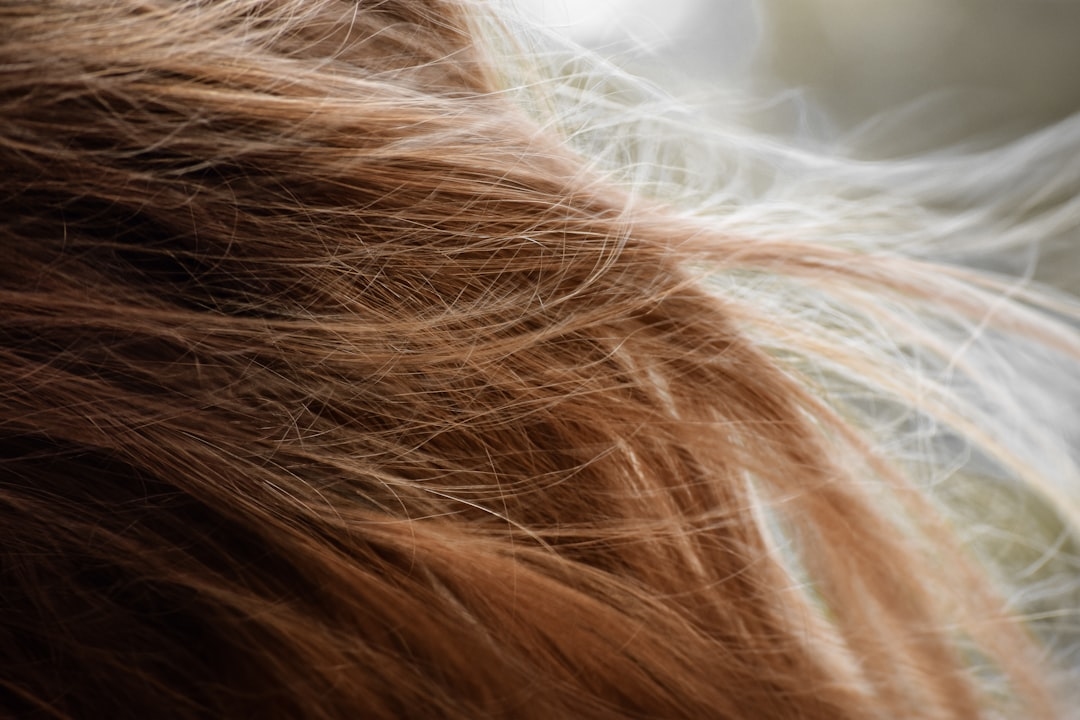
Week 1 after treatment: Hair feels silky. You may notice increased shedding—this is normal for the first 7 days as shed hairs (already destined to fall) are loosened by the application process.
Week 2-4: Shedding returns to normal. Hair looks noticeably shinier and smoother. This is when keratin results are most obvious.
Week 8-12: Hair maintains smoothness though shine gradually fades. Shedding remains normal.
Week 16+: Keratin effect fades. Hair returns to pre-treatment texture. Shedding stays normal.
If excessive shedding continues beyond week 2 or returns suddenly in weeks 4-6, investigate other causes: stress, hormonal changes, seasonal shifts (autumn hair loss is common), or underlying conditions like thyroid disorders. Keratin treatment isn’t typically the culprit at that point.
Preventing Hair Loss Around Keratin Treatment Time
Minimise shedding by following these steps:
- Schedule treatments when you’re not stressed (avoid the month before major exams or work deadlines)
- Wait at least 3 weeks after bleaching before keratin treatment
- Use a gentle shampoo for 48 hours post-treatment (the keratin needs time to fully bond)
- Avoid chlorinated pools for 72 hours post-treatment (chlorine strips keratin off)
- Use heat protectant spray if you blow-dry or use styling tools during the first 2 weeks
- Sleep on a silk pillowcase to reduce friction-related breakage
FAQ: Keratin Treatment and Hair Shedding
Why is my hair shedding more after my keratin treatment?
If shedding started immediately after treatment and is excessive (noticeably more than usual), the heat and mechanical stress of application likely pushed resting hairs into shedding phase prematurely. This is temporary; shedding returns to normal within 2-3 weeks. If shedding continues beyond week 3, investigate other causes like stress or hormonal changes.
Can keratin treatment damage my hair if I use it too often?
Frequent keratin treatments (more often than every 12 weeks) can build up on the hair shaft, making it stiff and brittle. Over months, this can accelerate breakage. Limit treatments to quarterly (every 12-16 weeks) for optimal results without damage risk.
Is keratin treatment safe if my scalp is sensitive?
If you have a sensitive scalp or scalp conditions like psoriasis or eczema, ensure your stylist uses formaldehyde-free keratin and applies it 2-3cm away from your scalp. Request a strand test first. If irritation develops during processing, rinse immediately and consult your GP before attempting another treatment.
How do I know if my hair loss after keratin is temporary or permanent?
Monitor for 3 weeks. If shedding decreases significantly and your hair feels healthy, it was temporary treatment-related shedding. If shedding continues at elevated levels beyond week 3, it’s unrelated to keratin—investigate thyroid function, iron levels, stress, or hormonal factors with your GP.
Should I be concerned about formaldehyde in keratin treatments?
UK salons using approved keratin products shouldn’t expose you to significant formaldehyde. Ensure your stylist uses 2026-approved, formaldehyde-free formulations from reputable brands. Good ventilation during application also minimises any chemical exposure. If you have respiratory sensitivity, discuss this with your stylist before booking.
Moving Forward: Keratin Safely
Keratin treatments are safe and effective for most people when applied properly. Choose a reputable salon with experienced stylists. Confirm they use formaldehyde-free formulations. Get a strand test before committing. Schedule treatments every 12-16 weeks, not more frequently. If you do experience shedding, track it for 3 weeks—temporary shedding from treatment trauma typically resolves quickly. If it persists, see your GP rather than blaming the keratin.