Contents:
- Historical and Cultural Context
- How Hair Oiling Works: The Science
- Protein Loss Prevention
- Scalp Health and Sebum Regulation
- Seasonal Timeline: When Hair Oiling Maximises Benefit
- Oil Types: Which Oils Actually Work
- Coconut Oil (Popular but Context-Dependent)
- Argan Oil (Versatile, Premium)
- Jojoba Oil (Best for Fine Hair)
- Sesame Oil (Warming, Therapeutic)
- What the Pros Know: Professional Hair Oiling Practices
- Application Protocol: How to Oil Hair Correctly
- Scalp Massage Oiling (Health-Focused)
- Hair-Shaft Oiling (Moisture-Focused)
- Common Mistakes to Avoid
- FAQ: Hair Oiling Questions
Hair oiling is ancient. From Ayurvedic traditions to Mediterranean beauty practices, cultures worldwide have applied oils to hair for thousands of years. Yet modern scepticism abounds: in an era of sophisticated conditioners and scalp treatments, does hair oiling actually work? Or is it tradition mistaken for efficacy? The answer is nuanced: oiling works for some hair types and concerns, whilst creating problems for others.
Historical and Cultural Context
Hair oiling practices span millennia. Ayurvedic traditions (India) prescribe oil massage (abhyanga) for scalp health and stress reduction. Mediterranean cultures use olive oil for hair conditioning. Japanese traditions employ camellia oil for shine and protection. This historical consistency reflects genuine benefits—oiling addresses real hair and scalp needs—not merely superstition.
The practice is experiencing revival in 2026, with trichologists increasingly recommending strategic oiling rather than dismissing it as outdated. This shift reflects scientific understanding of how oils interact with hair structure.
How Hair Oiling Works: The Science
Protein Loss Prevention
Hair is composed primarily of keratin protein. Water naturally penetrates hair, causing swelling and protein leaching (loss). Oils, being hydrophobic (water-repelling), create a protective barrier that reduces water absorption and protein loss. This isn’t hypothetical; studies using isotopic labelling show that oiled hair loses 20-40% less protein when washed compared to untreated hair. Over time, this accumulative prevention of protein loss maintains hair strength and integrity.
Scalp Health and Sebum Regulation
Regular scalp massage with oil stimulates blood circulation and provides the scalp with exogenous oils, potentially reducing overproduction of sebum (your scalp’s natural oil). Counterintuitively, oiling the scalp may reduce greasiness long-term. The mechanism: if your scalp is consistently very dry, it overcompensates by producing excessive sebum. Providing external moisture reduces the perceived “need” for extreme sebum production. This takes 3-4 weeks of consistent practice to establish.
Seasonal Timeline: When Hair Oiling Maximises Benefit
Spring (March-May): Winter hair shows dryness and brittleness. Oiling 1-2 times weekly during spring accelerates recovery. Oil begins repairing winter-damaged cuticles.
Summer (June-August): Humidity is high; oiling often becomes counterproductive (hair appears greasier). Reduce to once weekly or pause entirely. Chlorine and salt water from swimming strip hair oils; post-swim oil applications help recovery.
Autumn (September-November): Humidity decreases; hair begins drying. Return to weekly oiling. This prepares hair for winter dryness.
Winter (December-February): Central heating severely dries hair. Increase oiling to twice weekly. Deep oil treatments (oil applied 15-30 minutes before shampooing) provide intensive moisture.
Oil Types: Which Oils Actually Work
Coconut Oil (Popular but Context-Dependent)
Coconut oil penetrates hair shaft, delivering lauric acid (which reduces protein loss). However, coconut oil solidifies at temperatures below 24°C, making application messy in cold climates. Additionally, coconut oil has a low molecular weight and is comedogenic (clogs pores on scalp). For very dry, curly hair, it’s excellent; for fine hair or acne-prone scalp, it’s problematic. Cost: £6-12 per large jar (lasts months).
Argan Oil (Versatile, Premium)
Argan oil (from Moroccan argan nuts) contains vitamin E, antioxidants, and fatty acids. It’s lighter than coconut oil, non-comedogenic, and absorbs readily. Works well on all hair types except the finest strands. Doesn’t solidify in cold temperatures. Cost: £12-25 per bottle (lasts 2-3 months with moderate use). Professional-grade argan oils (brands like Moroccanoil, £20-30) deliver superior results compared to budget versions.
Jojoba Oil (Best for Fine Hair)
Jojoba oil’s molecular structure closely resembles human scalp sebum, making it the least likely to cause buildup. It absorbs rapidly and works on all hair types, including fine hair. Cost: £8-15 per bottle (lasts 3-4 months). A premium choice for those with fine or combination (oily scalp, dry ends) hair.
Sesame Oil (Warming, Therapeutic)
Used in Ayurvedic practices for its warming properties. Sesame oil has a strong scent (not preferred by everyone) but provides deep conditioning and anti-inflammatory benefits to the scalp. Cost: £5-10 per bottle. Best for those seeking therapeutic benefits alongside conditioning.
What the Pros Know: Professional Hair Oiling Practices
Salon Professional Insight: Experienced stylists distinguish between scalp oiling and hair-shaft oiling. Scalp oiling (applying oil directly to scalp, massaging 5 minutes) addresses scalp health and sebum regulation. Hair-shaft oiling (applying oil to mid-shaft and ends) addresses dryness and protein loss. Professionals never oil the scalp before shampooing immediately after, instead oiling 4-12 hours before wash (or overnight) to allow penetration. They use high-quality oils (Moroccanoil, Olaplex oils, £20-40) rather than budget cooking oils (coconut, olive from grocery stores). Finally, they apply minimal quantity—a few drops for medium-length hair, never drenching—and work oil through with fingertips rather than pouring it on. These distinctions separate professional results (improved texture, visible shine) from consumer attempts that often result in greasy, heavy-looking hair.
Application Protocol: How to Oil Hair Correctly
Scalp Massage Oiling (Health-Focused)
Frequency: 1-3 times weekly depending on climate and hair type.
Method: Warm oil gently (never above body temperature, or it damages protein). Apply 5-10 ml (about a tablespoon) to scalp. Using fingertip pads (not nails), massage scalp for 5-10 minutes with moderate pressure. The massage itself is as therapeutic as the oil—increasing blood flow and reducing stress hormones. Leave oil on scalp 4-12 hours (or overnight). Shampoo thoroughly twice to remove oil residue. A single shampoo usually leaves oil buildup; double-washing is essential.
Hair-Shaft Oiling (Moisture-Focused)
Frequency: Once or twice weekly for dry hair; biweekly for normal hair.
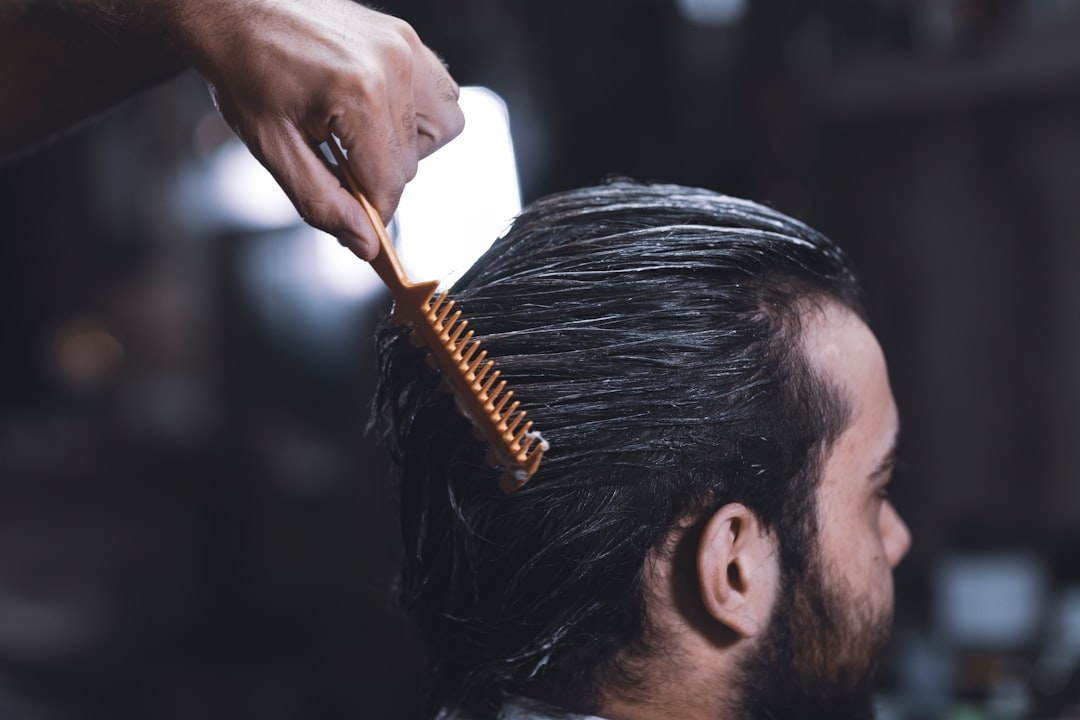
Method: Apply oil sparingly to damp (not dripping wet) hair, focusing on mid-shaft and ends. Comb through with a wide-tooth comb to distribute evenly. Leave 15-30 minutes or overnight. Shampoo as above. Avoid applying to scalp itself, which causes greasiness.
Common Mistakes to Avoid
- Over-oiling: More oil doesn’t mean better results. A few drops (not tablespoons) applied to medium-length hair is adequate. Excess causes buildup and heaviness.
- Oiling wet, dripping hair: Oil and water don’t mix. Apply to damp hair where moisture has been partially toweled away. Water-laden hair prevents oil absorption.
- Using cooking oil for hair: Extra virgin olive or coconut oil from grocery stores aren’t refined for cosmetic use. Impurities cause buildup. Cosmetic-grade oils (even inexpensive versions) are superior.
- Insufficient shampooing: A single shampoo usually leaves oil residue, causing progressively heavier hair with repeated oiling. Shampoo twice; ensure suds form abundantly on second wash to confirm oil removal.
- Oiling fine hair scalp: Fine hair typically doesn’t benefit from scalp oiling (it appears greasier immediately). Fine-haired individuals benefit from occasional hair-shaft oiling (ends only) without scalp application.
- Inconsistency: Oiling works over time. Single applications rarely deliver visible results. Commitment to weekly oiling for 4-8 weeks before assessing efficacy is necessary.
FAQ: Hair Oiling Questions
Does oiling cause hair loss? No. Oiling doesn’t cause hair loss; it may prevent it by protecting against protein loss. If hair loss occurs post-oiling, it’s coincidental, not causal. The timing (oiling often begins during seasons when hair is stressed) can create false correlation.
Can oiling reduce hair fall? Yes, by preventing protein loss and strengthening existing hair. If hair fall is already occurring, oiling slows progression but doesn’t halt it (addressing underlying causes—nutritional deficiency, stress, hormones—is necessary). Oiling is supportive, not primary treatment.
How long until oiling shows visible results? Subjectively, hair feels softer and shinier within 1-2 applications. Objectively measurable improvement (reduced breakage, improved density) takes 4-8 weeks of consistent weekly oiling.
Is argan oil better than coconut oil? Neither is universally “better.” Argan oil works on all hair types; coconut oil is excellent for curly/coarse hair but problematic for fine hair. Choose based on your hair type and climate.
Can I oil my hair before work? Generally, no (unless oiling scalp only, which you shampoo 4-12 hours later). Oiling hair shafts before work leaves visible greasiness. Overnight oiling followed by morning shampoo is the practical approach.
Does hair oiling work? Absolutely, but with proper technique and realistic expectations. For dry, curly, or damaged hair oiled 1-2 times weekly with high-quality oils and proper shampooing, visible improvement appears within 4-8 weeks. For fine or oily hair, scalp oiling causes problems; hair-shaft-only oiling (ends only) occasionally may benefit. The practice isn’t ancient tradition divorced from science; it’s scientifically sound intervention supported by protein-loss research. Consistency, correct technique, and matching oil choice to your hair type determine success.